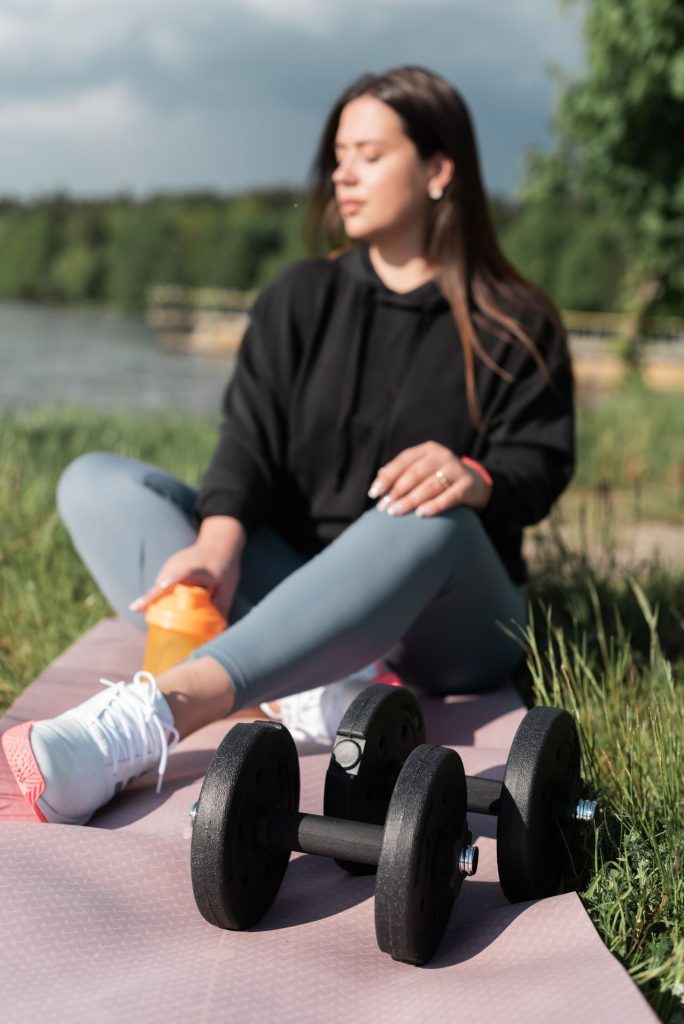
A load number describes only part of the task
In strength training, a heavier number is easy to notice and compare. But the exercise, equipment and way the task is organised remain part of its meaning. A value without that context cannot tell the whole story. Begin by asking what is actually being compared. A machine display, a free weight and a note from another person may use similar-looking figures while describing different movements, units and individual circumstances that should not be collapsed into a single ranking.
Keep your own purpose visible. You may be learning an activity, making a routine manageable or following an appropriately explained plan. None of those purposes automatically requires every session to exceed the last number. Progression, where appropriate, needs individual context and qualified support. Choose loads and scheduling with suitable instruction and relevant individual advice, rather than copying a general example. Its practical point is that a number becomes useful only when you understand the task and the instructions to which it belongs.
Compare the same information
When keeping notes, preserve the exercise name, equipment and units. A hypothetical record of two groups of four repetitions describes eight repetitions in that structure; it does not establish a suitable programme or compare directly with another task. Arithmetic can clarify notation, but it cannot supply missing context. If a setting, instruction or movement changes, record the change rather than presenting the next value as though only resistance differed and everything else remained identical.
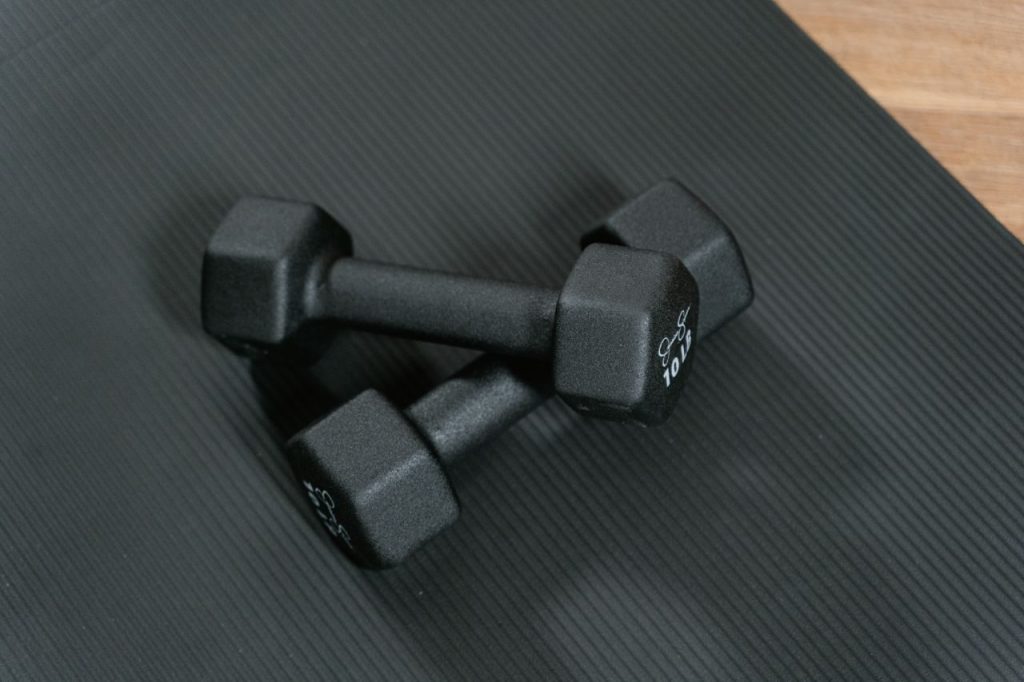
The same caution applies to displays and applications. A device may show a value whose method or purpose is not obvious. Read the explanation and ask when needed. Do not use a guessed conversion to create an appearance of precision. A qualified conversation can be specific: what does this value refer to, and how should it be interpreted here? That is more useful than asking whether the number is impressive or whether somebody with another programme normally uses a larger one.
Include instruction and understanding
Learning a movement involves understanding its intended setup and use. Appropriate guidance should not be replaced by a goal to raise the load quickly. If the technique or equipment is unfamiliar, obtain the relevant explanation. A larger number cannot demonstrate that those questions are resolved. You may reasonably finish a visit with improved understanding and no new record. That can be a useful outcome even if it does not create a dramatic chart or an attractive claim for a public progress post.
If you receive feedback, keep it connected to the actual observation. A clear instruction should explain what is being discussed rather than make a broad judgement about your body or character. You can ask for clarification without being unmotivated. If a health concern is involved, use the appropriate qualified professional. A general training cue does not diagnose pain, and pain should not be treated as proof that a heavier challenge is producing the desired effect or that you must continue to justify the effort already spent.
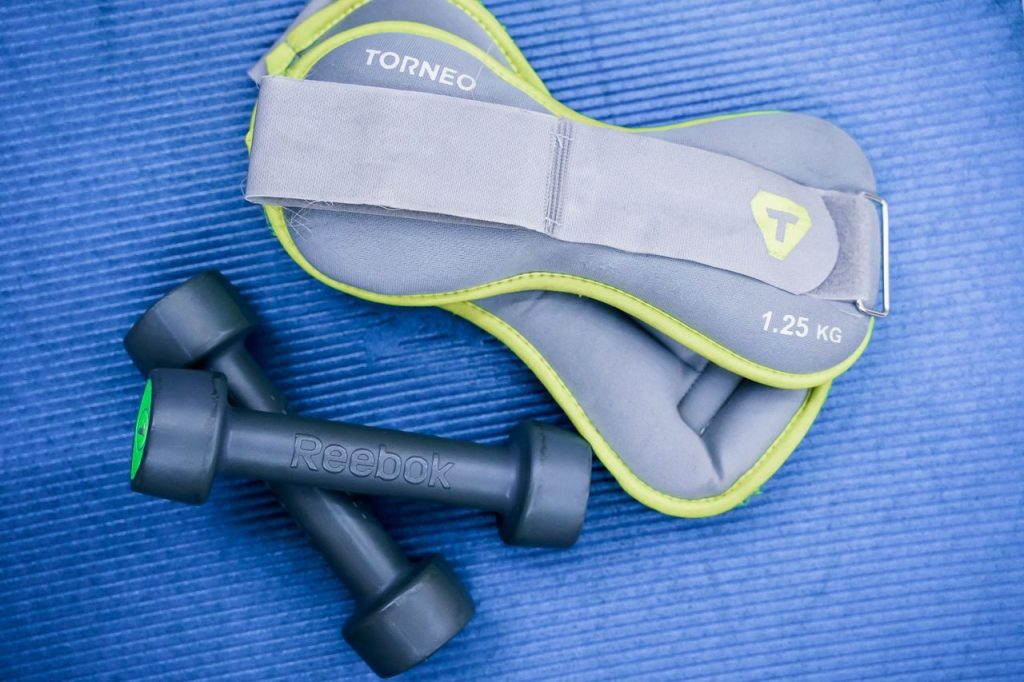
Notice practical consistency without a scoreboard
A routine depends on more than the time spent using equipment. Travel, access and clear instructions can affect whether you can use it appropriately. Record those conditions if they explain the experience. You might identify a more workable time or a question that previously interrupted the session. These are practical changes, not clinical measurements. They deserve attention because they help the activity fit ordinary life rather than rely on a single numerical outcome to decide whether the visit counted.
Avoid borrowing another person's workload as a personal standard. Their history, purpose and equipment may differ. A companion can provide company without turning the activity into a competition. You can also choose not to share every number publicly. A note useful for a qualified conversation does not need an audience. Keeping it private can preserve context and reduce pressure to make a simple upward story from information that naturally includes changes, interruptions and questions that a short social-media summary cannot explain.
Review the goal instead of escalating automatically
If you are unsure what should change, return to the source of the plan and ask. Do not make an automatic increase simply because the last number was completed or because a generic app suggested it. Individual guidance and product instructions remain relevant. A flat-looking record may reflect several factors; review the conditions and relevant questions rather than treating the graph’s shape as an explanation. Keep observations accurate and let the appropriate discussion address what the next suitable step may be.
A heavier number can be one piece of information, but it is not a complete account of strength activity or health. Clear context, appropriate instruction and a routine that fits your situation make the data more meaningful. The useful question is what you are learning and doing, not whether each entry defeats the last. That approach leaves room for informed decisions without turning a load display into a test of personal worth, effort or a transformation that somebody promised should already have happened.