

Name the point that stopped making sense
A strength plan may become difficult because of an unclear term, missing unit, unavailable item or question about suitability. Before responding with more effort, identify the actual problem. You might understand the exercise name but not the notation, or know the equipment while being unsure which variation is intended. A precise question is more useful than deciding that the whole programme is good or bad from one confusing line. The source can respond to the part you genuinely need clarified.
Keep the original instruction available. Do not quietly rewrite it into a version that seems familiar from another plan. A plausible guess can create a programme nobody actually described. You can mark the uncertainty in a note and ask through the appropriate qualified route. If the plan came from an application or general publication, understand what support it provides and which audience it assumes. An automatically displayed sequence does not become an individual medical assessment merely because your name appears on the screen.
Check notation and equipment context
Read the key for sets, repetitions, time and units. A number without its role is not an instruction you can interpret reliably. Also identify the exact exercise and equipment. Similar names may describe different tasks. This does not mean every line must be complicated; it means missing information should remain visible. Ask what is intended instead of using a larger or smaller number as a substitute for understanding the structure, purpose and relevant setup that give the plan its actual meaning.
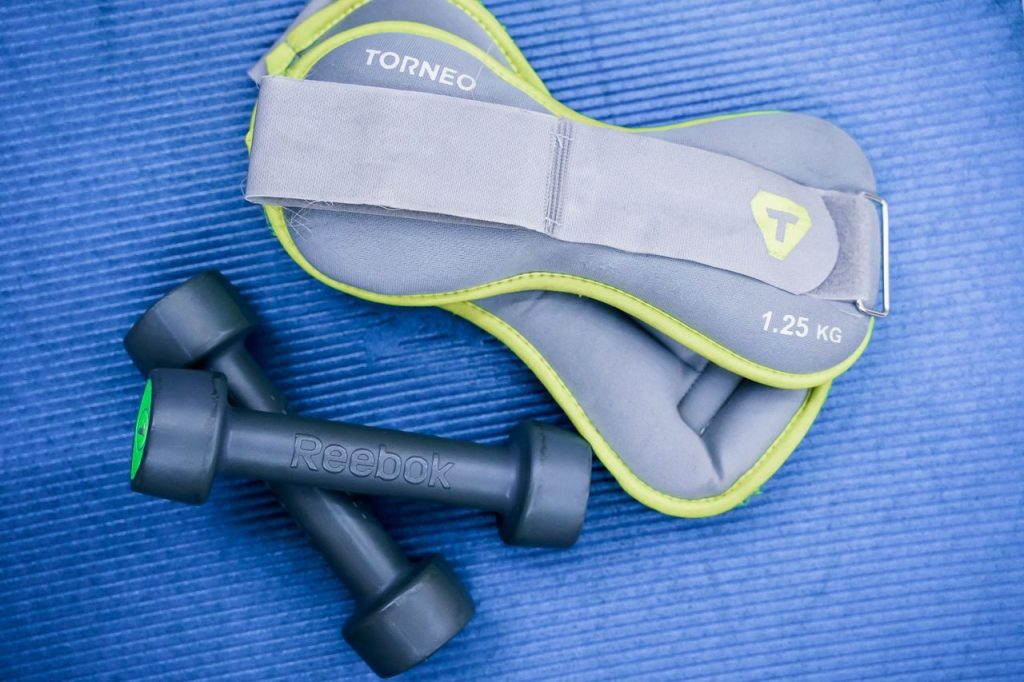
If the equipment is unfamiliar, obtain appropriate instruction rather than copy another user's movement. If it is unavailable, ask how the plan should be handled; do not assume any substitute is equivalent. Choose any individual alternative with suitable instruction and relevant professional advice. The practical next step may be a clarification about sequence or facilities. That is different from a motivation problem and should not automatically produce a harder session to compensate for time spent waiting, learning or asking a reasonable question.
Separate discomfort and health questions
A plan's goal does not require ignoring a symptom or testing pain limits. Describe what happened and seek appropriate qualified advice. Do not decide from a slogan that discomfort proves effectiveness or that a technique cue can diagnose the cause. Individual health concerns need their relevant assessment. A written programme can support activity, but it should not become a reason to delay help until you have completed enough sessions to feel that the concern is valid or sufficiently well documented to mention.
Keep urgency distinct from ordinary follow-up. Severe symptoms such as collapse, chest pain or major breathing difficulty call for appropriate urgent medical help rather than another attempt at the exercise or waiting for an app reply. For less immediate questions, use the suitable professional route and preserve existing clinical instructions. Keep diagnosis and treatment questions with the appropriate healthcare professional, using the notes to describe what you noticed. Its role is to prevent the common mistake of treating every unresolved difficulty as proof that the only missing ingredient is greater determination and uninterrupted effort.

Include the practical barriers
Sometimes the programme is readable but does not fit your available time, access or support. Say what is happening concretely. A session may depend on equipment you cannot use or a schedule that conflicts with responsibilities. These are useful conditions to discuss, not automatically excuses. The appropriate person may need to clarify options within their role. A plan that is impossible to organise does not become workable because it looks sensible in an ideal week or because another participant manages different circumstances without difficulty.
Avoid promising to solve the issue through hidden sacrifices that make the rest of life unmanageable. If another person helps, agree the task and limits. Support should not mean they take over every responsibility indefinitely. You can revise a practical arrangement without declaring the whole activity unsuccessful. Keep the purpose visible and distinguish a request for guidance from an obligation to accept every suggestion immediately, particularly when it introduces additional cost or a commitment that has not been explained in relation to your actual situation and needs.
Finish with a clear question and a clear status
Write the exact point needing an answer, the relevant context and what you already understand. After receiving clarification, record what is agreed and what remains open. A discussion of possible options is not automatically a new programme. If the answer is still unclear, say so. You do not need to disguise uncertainty to appear capable. A useful exchange can leave you with one next step rather than a complete solution to every future session, and that can be enough to move the planning forward appropriately.
Clarification is part of informed activity, not the opposite of effort. It connects the plan to understandable instructions and real conditions. A hard-looking response cannot repair missing information or replace individual advice. Keep notes accurate, ask the right source and allow the plan to be questioned where its meaning is uncertain. The goal is to know what you are doing and why, rather than create an impressive story about completing something whose suitability, method or purpose you never actually had the chance to understand.