
Keep the record connected to its purpose
A strength-session note can help you remember instructions, compare like-for-like context and prepare a question. It does not have to be a record chase. Start by deciding what information you need later. A date, exercise name and relevant equipment details may be useful; an elaborate score may not. The note should make the next conversation clearer rather than demand that every session produces a bigger number or a more impressive account than the previous one.
Use plain headings. You might separate planned work, what happened and questions. This keeps the source instruction distinct from your experience. If a plan was not followed exactly, record that honestly without adding a judgement. An interruption, unclear notation or unavailable machine is practical information. It does not need to be hidden to make the session look successful. A qualified instructor can discuss the real situation more usefully than a polished version created to preserve an ideal record.
Preserve the equipment and units
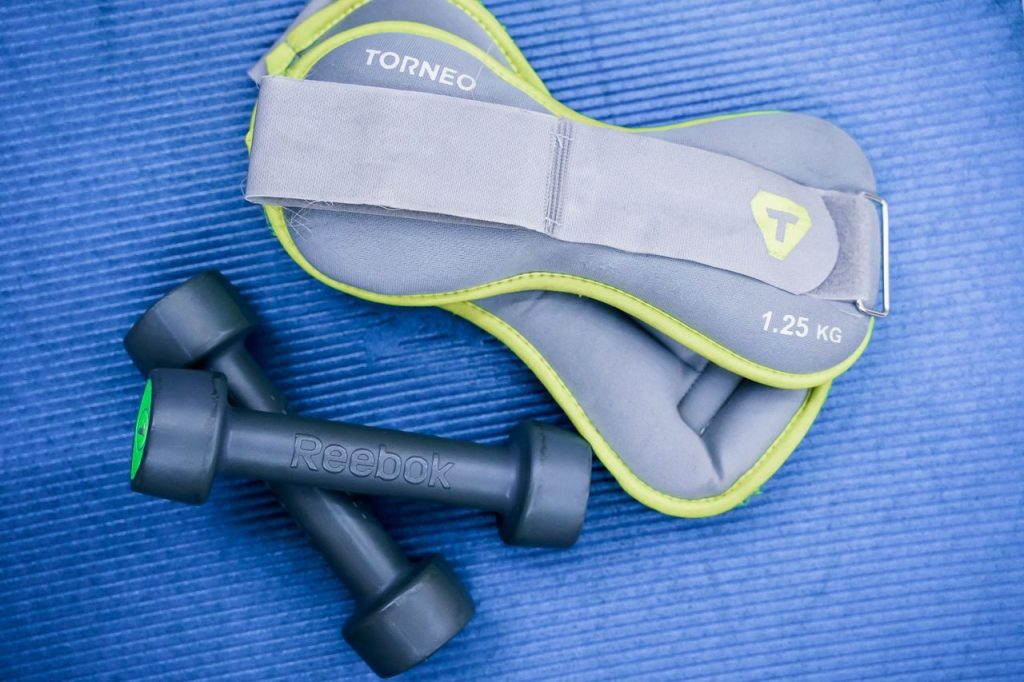
Write enough to identify the exercise and system used. Similar names or load values can describe different conditions. A machine setting and a free weight should not be treated as equivalent merely because the same number appears. Keep units visible and compare only measurements whose relationship you can establish from the relevant documentation. If the plan's notation is unclear, save the exact line as a question instead of assigning a meaning that seems familiar from another programme.
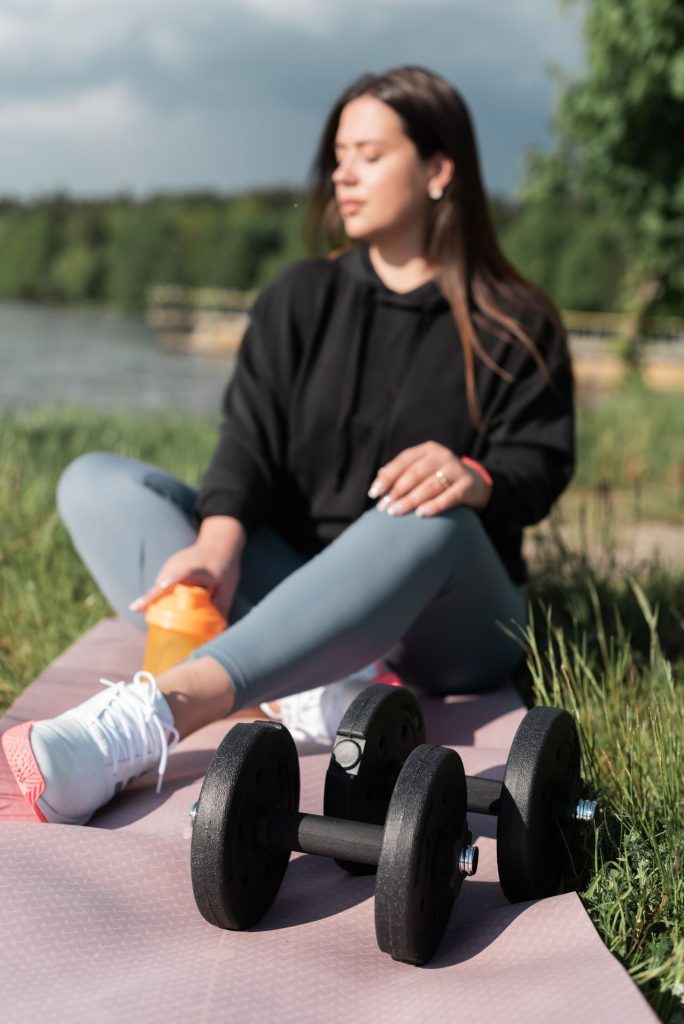
For a hypothetical example, a note could identify an exercise name, a particular machine and an instruction that needs clarification. It need not include a workload recommendation. The point is the relationship between fields. Equipment, setup and context help interpret a number; the number alone does not explain everything. You can use a small paper page or a simple private digital note, choosing the format that you can maintain without spending more time on presentation than on understanding what you recorded.
Describe the day without diagnosing it
You may note relevant context, such as a rushed arrival or a different instruction. Keep it factual. Feeling that something was harder on one occasion does not establish a medical cause or prove that the whole plan has stopped working. Equally, a comfortable experience does not guarantee that every later variation is appropriate. A diary can preserve questions, but it cannot diagnose injury, overtraining or a hormone change from the relationship between a few entries.
If a health concern occurs, seek the relevant qualified advice rather than attempt to solve it through more testing. You do not need to repeat a concerning movement to make the note persuasive. State what happened, what is uncertain and what instruction was available. The diary should support help, not delay it. Severe symptoms need appropriate urgent care rather than a wait for the next routine session so you can see whether the pattern appears again and produces a clearer record.
Review comparable information
When looking back, ask whether the exercise, equipment and conditions match before interpreting a difference. A larger total is not automatically a better session if the underlying task changed. Avoid compressing everything into one score that hides the context. You can notice consistency, a clarified instruction or an access problem as useful information. Those observations may explain what needs revisiting without turning every review into a search for proof that your body is improving at a particular promised rate.
Keep the review proportional. A brief look at the question you set out to answer may be enough. Do not let the app's available fields become a list of things you must measure. Estimated calories, charts and comparisons can appear precise without serving your actual purpose. If tracking makes the activity less manageable, simplify the note. It is a tool you can revise, not a programme requirement that establishes your seriousness or gives another person a right to monitor everything you do.
Share only what the conversation needs
If you seek help, show the relevant entries and explain the question. You do not need to publish a full health history or give somebody access to your account. A coach, instructor or clinician has a particular role, so choose an appropriate route for the issue. Do not assume a public comment can replace individual professional guidance because the reader recognises an exercise name and offers a confident answer. Context and responsibility matter more than speed or the certainty of the response.
A useful strength note remains modest and accurate. It records enough to remember, separates instructions from observations and leaves room for uncertainty. You can maintain it without chasing a record every time. When the information leads to a clearer question, a practical adjustment through suitable support or a better understanding of the setting, it has done something worthwhile. The diary does not need to prove an outcome or turn ordinary variation into a verdict on effort, identity or future progress.