Resistance describes what the movement works against
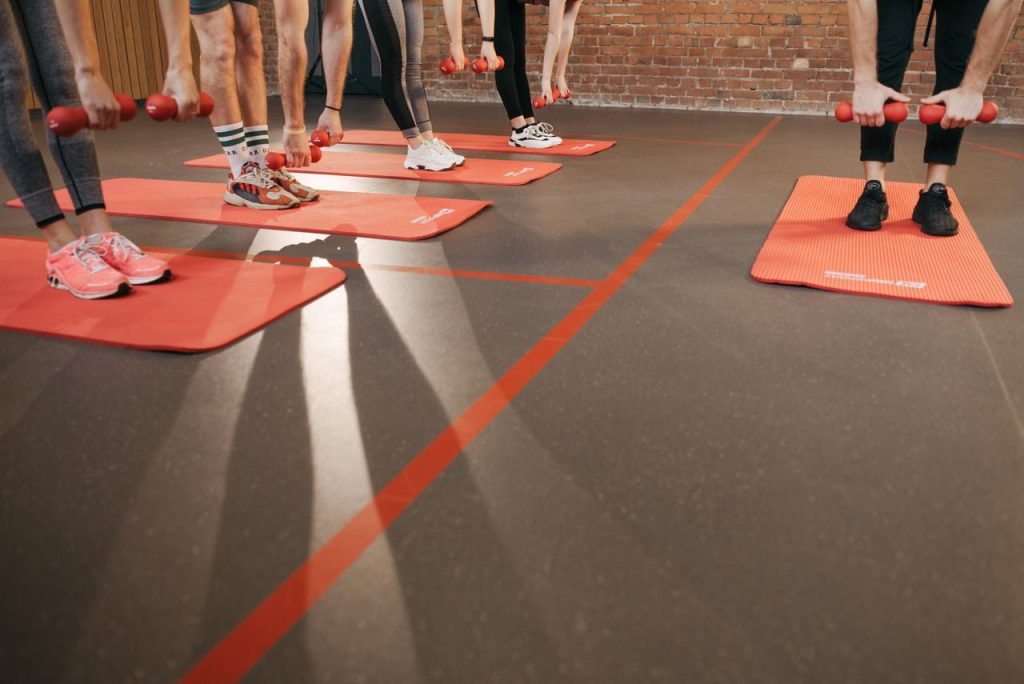
Bodyweight and external resistance describe ways a movement can be organised. In bodyweight activity, the body's mass and its position contribute to the resistance against which the movement is performed. External resistance may involve equipment such as weights or bands. These are useful categories, not a ladder in which one is always easy and the other always advanced. The particular movement, setup and person matter more than the simplicity of the label.
A familiar example helps explain the distinction without becoming a workout recommendation. The same piece of equipment can be used in different ways, and a bodyweight movement can have different support or positioning. That changes what is being attempted. You should understand the intended use and seek appropriate instruction rather than choose a variation because a short video called it basic. A label does not establish that a movement is suitable for every adult or health condition.
Look at the complete setup
For an external-resistance activity, identify the actual equipment and its instructions. A band, machine and free weight do not create identical conditions simply because they are all described as resistance. Handles, attachments and movement paths need their own context. Ask for clarification before use if something is unfamiliar. The aim is not to collect technical vocabulary; it is to know which equipment and arrangement the activity description actually expects you to understand and use.
Bodyweight does not mean equipment-free in every practical sense. The activity may depend on a floor, support or intended exercise apparatus. Household furniture is not automatically appropriate simply because it appears strong. Avoid turning chairs, doors or tables into improvised equipment. A general article can describe the category, but it cannot certify a support or give structural limits. If a movement depends on an uncertain setup, change the plan through an appropriate qualified source rather than test the arrangement with your body.
Separate comparison from a personal choice
You may compare space, access, instruction and practical care when considering activity options. Those are legitimate factors. They do not by themselves determine which movement or workload fits an individual. NHS information describes several kinds of strengthening activity, but population education is not a personalised programme. If you have relevant health concerns or are returning after inactivity, seek appropriate qualified advice rather than assume a category's general benefits answer every question about your current needs and capacity.
Avoid choosing purely from an equipment price or a claim that one method produces faster results. A product is not an outcome. Nor does a simple-looking activity guarantee comfort or safety. You can value low preparation, a familiar setting or available instruction without making a universal argument that everybody should use the same approach. Keep your purpose visible and ask which specific information is still needed before the option can be understood in the context where you would actually use it.
Read the numbers within their context
A load number is only part of an equipment description. Different systems may use different units and mechanics, so equal-looking values do not establish equal movements or experiences. Preserve the actual equipment and setting in notes. Do not translate a machine display directly into a free-weight prescription. Likewise, the absence of a number in a bodyweight activity does not mean that the activity has no demands or that adding more repetitions is automatically an appropriate next step.

If you keep a record, describe what was instructed and what you actually did, with uncertainties marked. A qualified instructor can use that information to discuss the plan. The record should not become an unsupervised method of progression. A heavier number or a less-supported variation is not a goal in itself. Understanding the activity and maintaining its appropriate use are more useful than trying to make every session look more advanced through a simple comparison that omits technique and individual context.
Keep the terminology useful
You can ask a precise question once the category is clear: what creates the resistance here, what setup is intended and what instruction is available? A plain answer should connect the word to the actual movement. If the explanation relies only on broad claims such as natural or functional, request the relevant detail. Marketing terms do not replace information about how a product or activity is meant to be used and which audience the description assumes.
The distinction between bodyweight and external resistance helps read options without deciding for you. Both labels contain many different activities, settings and practical requirements. Learn the meaning, keep equipment instructions close and use suitable qualified support for individual decisions. That lets the terms do their job as descriptions, rather than become a promise that one method is universally safe, effortless, superior or guaranteed to change the body within a deadline chosen by an advertisement.
Further reading: NHS: different types of strengthening activity.