
Adults who want to add strength work often face choices between different session lengths, locations and levels of support. Comparing these options against actual time windows and room dimensions keeps the start manageable and avoids clashes with work, family or travel.
Population guidance from sources such as the UK Chief Medical Officers recommends adults aim for activities that build strength on at least two days each week, yet the advice leaves room for individuals to decide how that fits their own week. The following sections examine concrete trade-offs rather than prescribing any single route.
Listing daily pauses before choosing session length
Begin by writing down the fixed points in a typical week: work start times, school runs, meal preparation and sleep windows. Short blocks of fifteen to twenty minutes often appear between these points, while longer blocks of forty minutes may only occur on certain evenings. A short session can use bodyweight movements that need little setup, whereas a longer slot may allow for basic equipment if space permits.
Compare the two lengths directly. A brief session reduces the chance of interruption but covers fewer movements. A longer session can include more variety yet risks running into the next commitment if travel or household tasks overrun. Recording three sample weeks shows which length appears more often without forcing extra changes to the existing timetable.
Matching floor area to movement choices
Measure the clearest floor space available in the main living area or hallway. A rectangle of roughly two metres by two metres supports stepping patterns and simple bodyweight squats, while a narrower strip suits only standing arm movements. Larger cleared zones allow floor-based work such as press-up variations, yet they also require time to move furniture each session.

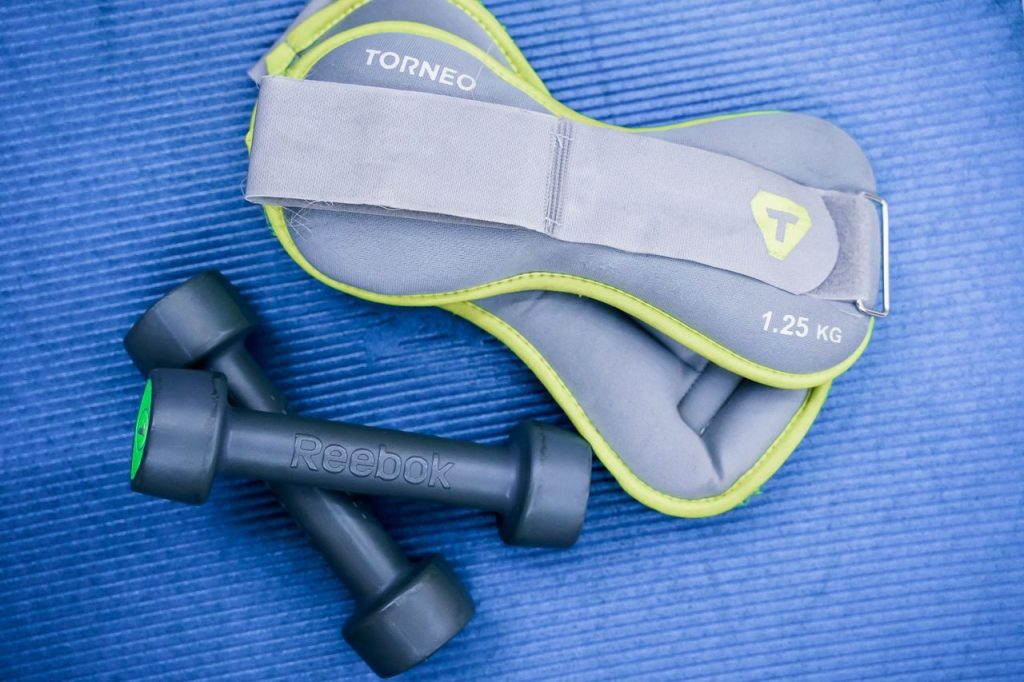
Equipment-free options fit smaller or shared spaces because nothing needs storage. Adding a single resistance band increases the range of pulling movements but introduces the need for a secure anchor point and a place to keep the band when not in use. The comparison therefore centres on whether the extra movement options justify the added storage and setup steps.
Deciding between solo practice and occasional guidance
Some adults prefer to follow written descriptions or short video demonstrations alone. Others value an initial session with a qualified instructor to check movement patterns. The trade-off lies in cost and scheduling: independent practice removes travel and booking requirements, yet feedback is limited to self-observation or occasional checks with a peer.
Where group classes are available, compare the fixed timetable against personal availability. A weekly supervised slot provides external structure but may clash with variable work demands. Independent sessions can be moved to any free window yet require self-monitoring to maintain consistent technique over time.
Recording how sessions affect the rest of the day
After two or three sessions of each format, note energy levels, sleep quality and any muscle stiffness the following morning. A short session may leave more reserve for evening tasks, while a longer session might produce greater tiredness that affects concentration later. These observations help decide which format repeats more easily without creating new fatigue patterns.
Keep entries brief: time of day, movements used, and one sentence on how the remainder of the day felt. Over several weeks the notes reveal whether shorter, more frequent sessions suit the household rhythm better than occasional longer ones.
Adjusting when interruptions occur
Household demands or minor illness can remove a planned slot. In such cases the comparison shifts to whether a missed session is replaced later in the week or simply accepted as part of an irregular pattern. Replacing every missed slot can lead to clustering sessions, which may reduce recovery time between them.
Instead, review the weekly total rather than individual days. If two short sessions still occur across seven days despite one cancellation, the overall frequency remains close to the original plan. This approach prevents the pressure to double up and keeps the routine adaptable.
Linking ordinary meals to session timing
Compare eating patterns around different session times. A morning session may sit between breakfast and lunch, while an evening session follows the main meal. Neither requires special foods; the practical question is whether current portion sizes and meal timing leave enough energy for the chosen movements without causing discomfort.
Labelled nutrition information on everyday items helps match carbohydrate and protein content to the session demands. A slice of bread with cheese before a short session supplies readily available energy, whereas a larger evening meal already covers needs for a later session. The choice therefore rests on existing shopping and cooking habits rather than new purchases.
Reviewing the first month without single metrics
At the end of four weeks compare the number of sessions completed against the number originally intended. Also note any changes in how routine movements such as carrying shopping or climbing stairs feel. These qualitative observations sit alongside the session count and prevent over-reliance on one figure such as total repetitions.
If the pattern shows consistent short sessions fitting better than longer ones, future planning can favour that length. Conversely, if longer sessions produce clearer improvements in daily tasks, the timetable can shift to protect those slots. The comparison remains between workable options rather than an external ideal.