Many adults begin strength training by looking at general activity statements from health authorities and trying to apply them straight away. This often leads to mismatches between the published figures and the actual room, time or energy available on a given day. The following sections examine frequent points where the translation goes wrong and how to adjust without creating a fixed personal plan.
Population statements usually describe average weekly patterns across large groups. They do not specify exact session lengths, loads or frequencies that suit every household layout or work pattern. Treating them as minimum daily tasks is one of the first places plans drift from the original wording.
Confusing weekly totals with daily requirements
Guidance from sources such as the UK Chief Medical Officers often refers to activity accumulated across a week. A common error is to divide the weekly figure by seven and assume each day must meet that average. This overlooks that strength work tends to be spaced with recovery days between sessions. Checking the exact population the statement covers and the time frame it uses prevents turning a weekly target into an unintended daily quota.
Instead, note the days when longer uninterrupted periods already exist in the current routine. Place any strength work into those slots rather than creating new ones. The same weekly total can be reached with fewer, longer sessions or more frequent shorter ones; the guidance itself does not prescribe which pattern to follow.
Treating equipment capacity labels as starting loads
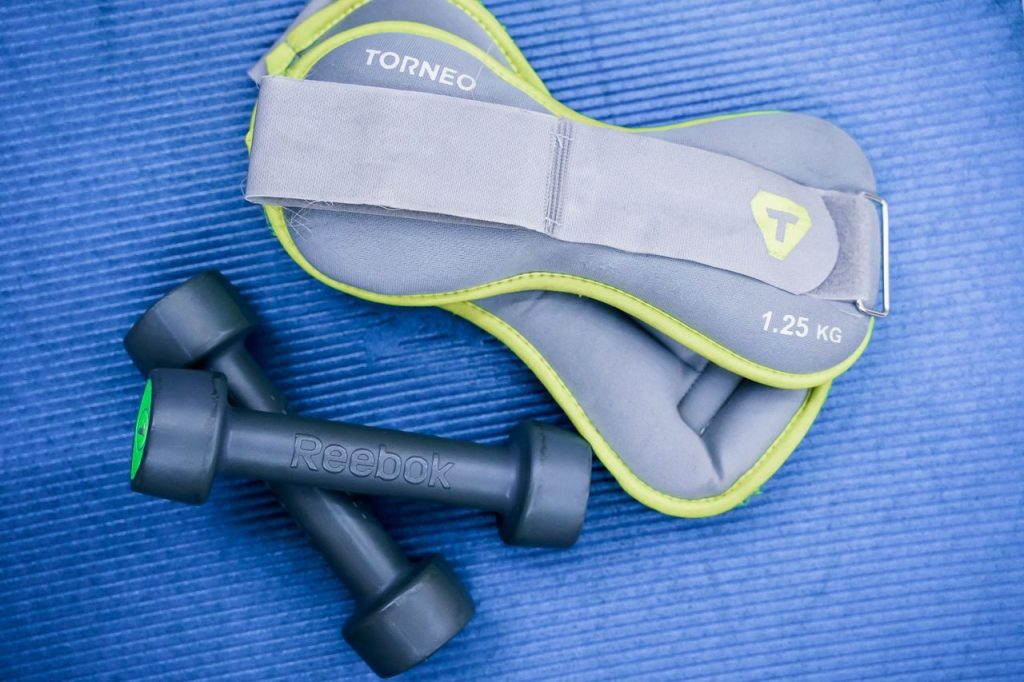
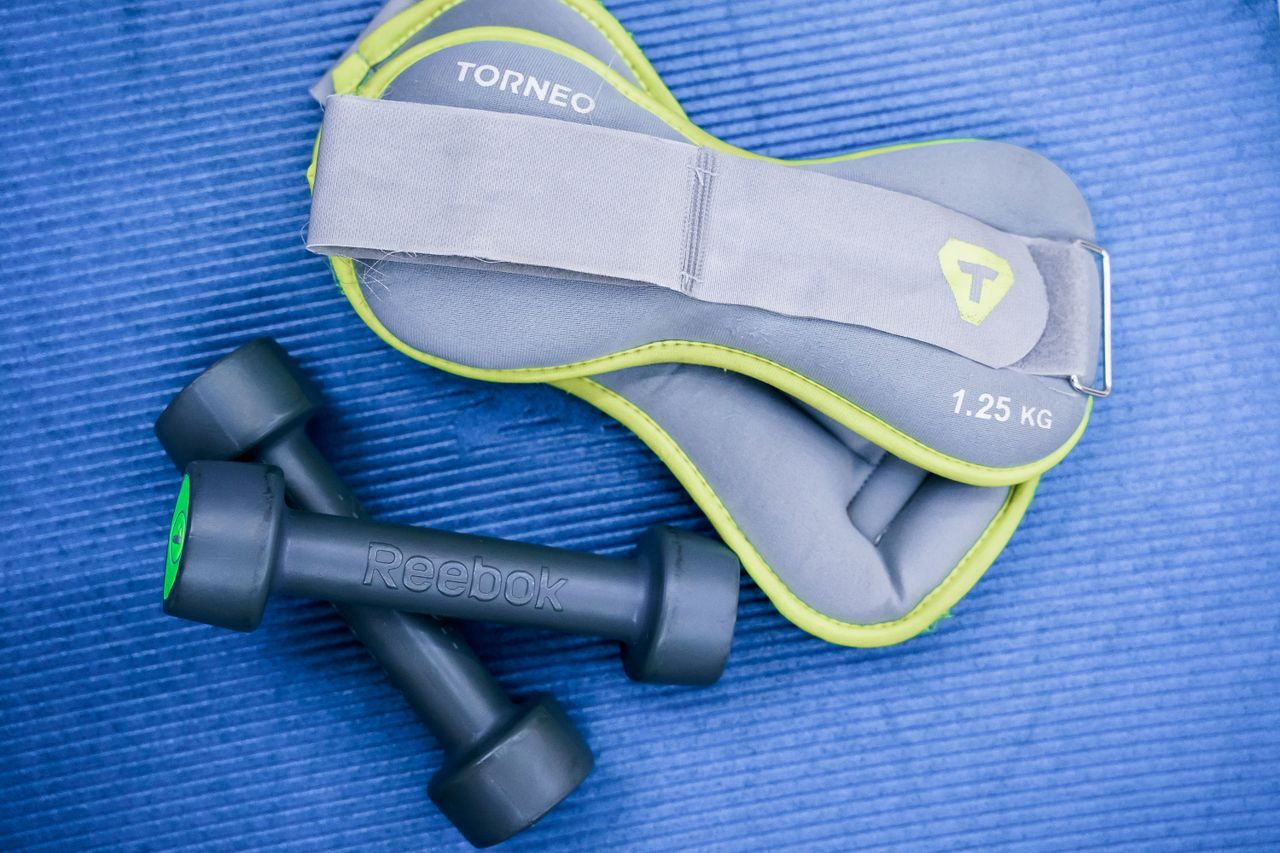
Adjustable dumbbells or resistance bands carry maximum ratings that describe structural limits, not recommended entry weights. Reading the highest number on the label and beginning near that value reverses the usual order of choosing load. Published specifications give the upper boundary; the actual starting point remains a matter of individual movement control on the day.

A practical step is to test the movement pattern first with no added resistance, then add the smallest increment that still allows steady form throughout the set. The label serves only as a later reference when the current resistance feels consistently manageable. This keeps the capacity figure in its correct role as a safety limit rather than a target.
Assuming every session needs a fixed duration
Some readers convert general activity minutes into rigid session lengths before checking the space or interruptions typical in their home. A hallway or living-room corner may allow only ten to fifteen minutes of continuous work before furniture or foot traffic interferes. The error lies in planning the session length first and then trying to fit the environment around it.
Reversing the order works better: measure the longest stretch of clear floor available at the usual training time, then select movements that fit inside that window. The total weekly activity can still accumulate across several shorter blocks if that matches the household pattern more closely.
Overlooking how rest days appear in everyday schedules
General statements often mention recovery without listing which days it should occur. A frequent misstep is to schedule strength sessions on consecutive days because the calendar looks free, then discover that work or family demands leave no genuine rest. The published guidance does not assign specific rest days; it simply notes that recovery forms part of the overall pattern for most adults.
Reviewing the coming week for existing lower-activity periods provides a more reliable placement. If two strength sessions end up with only one lighter day between them, the plan can be adjusted by moving one session rather than adding extra work to compensate.
Reading nutrition label examples as required intake timing
Food-label comparisons on training days sometimes get treated as instructions to eat at precise intervals before or after movement. The figures on packets describe the composition of that product; they do not state when or how much any individual should consume around activity. Extending the label information into a fixed pre-session meal creates an unintended rule.

A clearer approach is to keep ordinary meal timing and notice whether the usual choices leave enough steady energy for the planned movements. Adjustments stay within the range of normal household foods rather than new timing protocols derived from the label alone.
Expecting every session to feel equally manageable
Early sessions vary with sleep, prior activity and daily stress, yet some plans assume uniform performance. When a session feels harder than the previous one, the response is sometimes to increase volume to “make up” rather than accept the variation. Population statements describe long-term patterns, not session-by-session consistency.
Noting how the day felt alongside the movements performed allows later review without forcing every entry to match an earlier standard. The same movement list can be kept shorter or longer according to the time and energy present that day.
Checking retailer questions before final equipment choices
When an adjustable item is under consideration, the published manual and warranty details supply the concrete information needed. Questions about spare-part availability, floor-space requirements when fully extended, and the method for recording service history belong in the decision process. These details remain separate from any assumption about how often the equipment will be used.
Comparing two models side by side on paper specifications, storage dimensions and maintenance steps reduces the chance of selecting equipment whose size or upkeep does not match the actual room available.
Keeping the distinction between general population statements and the constraints of a particular home prevents early plans from becoming overly prescriptive. Adjustments stay practical and reversible as routines change.