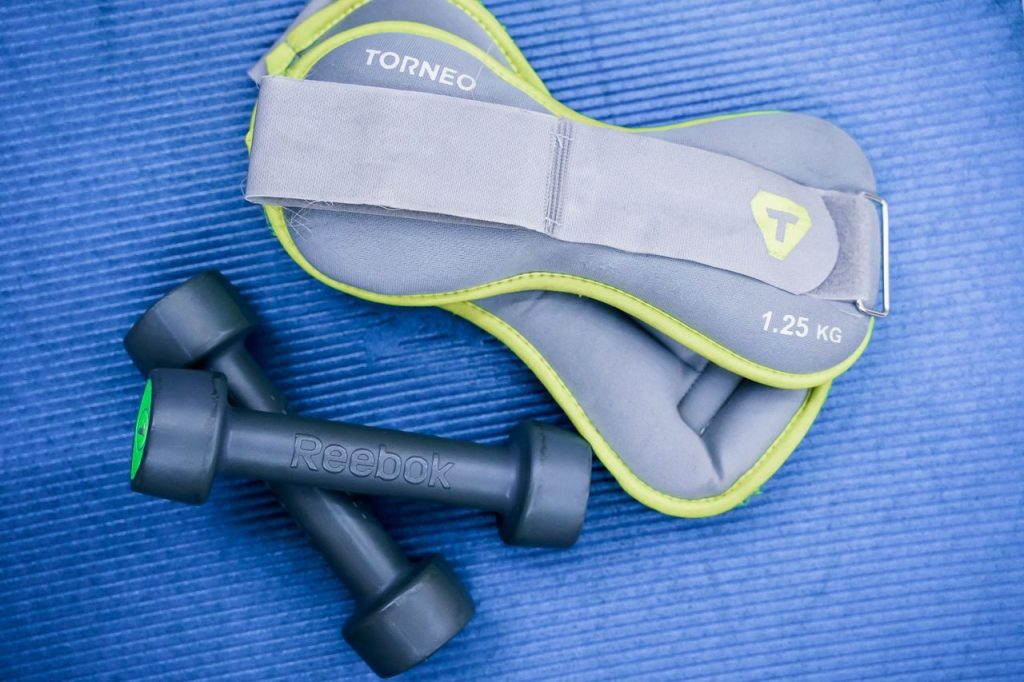
Published recommendations on physical activity for adults set out broad patterns rather than individual starting loads. Readers often wonder how statements from national authorities can help shape an early home strength outline without becoming a rigid timetable. The following sections look at practical ways to treat such guidance as one reference among several when planning accessible first sessions.
General figures on weekly activity appear in documents aimed at the adult population as a whole. They describe typical volumes linked to health outcomes across large groups, yet they leave room for differences in daily life, equipment access and prior movement experience. Using them as background information rather than a checklist keeps the planning process flexible.
Locating the relevant authority statements
The UK Chief Medical Officers’ guidelines address adults aged 19 and over and note that muscle-strengthening activity on at least two days each week forms part of an overall pattern. The same document places these sessions alongside other movement rather than in isolation. Checking the exact wording on the GOV.UK site before beginning helps separate the population-level description from any later personal adjustments.
World Health Organization statements on physical activity cover a similar adult age range and list strength-based movement as one component within a wider weekly total. Both sources publish supporting rationales that explain how the figures were derived from aggregated studies, allowing readers to see the limits of direct application to one household.
Matching guideline language to available space and time
Guideline documents usually describe activity in minutes or session counts rather than specific equipment layouts. When space at home is limited to a single clear floor area, planners can note how bodyweight or small portable items fit the broad description of strengthening movement. Comparing room dimensions against the footprint needed for common movements gives a concrete starting filter before any load is added.
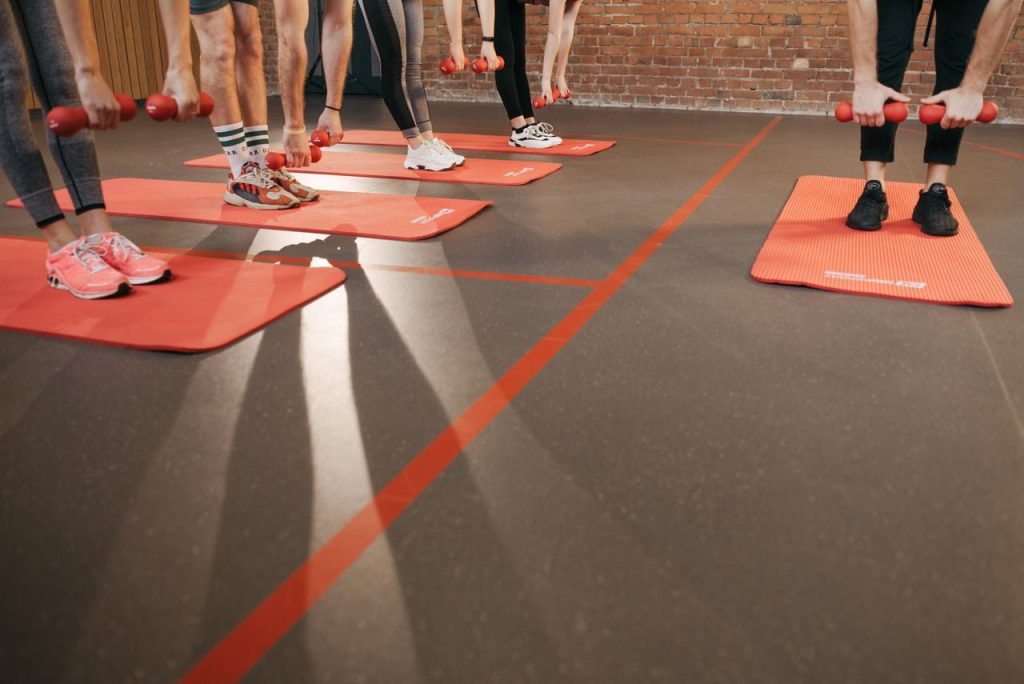
Time slots in an existing weekly calendar can be reviewed against the guideline’s suggestion of spreading activity across days. Short blocks that already exist, such as gaps between other commitments, can be matched to the general pattern without extending total duration beyond what feels manageable in the household routine.
Selecting movements that align with published examples
Official documents often list categories such as lifting, carrying or bodyweight resistance rather than naming particular exercises. Reading these categories against movements that can be performed with household objects or floor space helps translate the text into an initial outline. Keeping the list short at first avoids turning the reference into an expanding programme.
Descriptions in the guidance also mention controlled movement through a range that feels steady. This phrasing can be used to check posture and breathing during practice without requiring external feedback on the first attempts. Recording which movements feel steady on a given day provides a simple log that stays within the general terms.
Reviewing everyday food labels in light of training days
Food label information on carbohydrate and protein content per portion supplies practical detail for meals around planned sessions. Comparing two similar packaged items using the per-100 g column shows how choices might differ on days that include strength movement, without setting portion targets. The comparison stays at the level of label reading rather than meal prescription.
Hydration notes in general activity guidance refer to fluid needs across the day. Checking the plain water or unsweetened drink options already present in the household routine against these notes keeps the focus on existing habits instead of new calculations.

Recording early sessions against the reference points
A basic log can note the day, approximate duration and type of movement performed, then place these entries next to the guideline’s weekly suggestion. The comparison remains descriptive: it shows whether the week’s pattern sits within the broad adult range rather than measuring individual progress against a fixed number.
Space and equipment notes added to the same log, such as floor clearance or item weight markings, help future reviews stay practical. When an item carries a published capacity figure, that figure can be checked against the movement chosen without assuming durability under repeated use.
Knowing when published figures reach their limit
Guideline documents state that they apply to the general adult population and do not replace advice tailored to specific health conditions. If symptoms such as chest pain, sudden breathlessness or dizziness appear during or after movement, the documents themselves direct readers to medical services rather than continued planning.
Where household routines change frequently, the same documents acknowledge that weekly totals may vary. Adjusting the outline week by week while still referencing the original population figures maintains the distinction between general guidance and daily application.
Equipment manuals and retailer specification sheets provide another layer of reference when selecting items for home use. Checking published weight limits, assembly instructions and maintenance intervals against the intended movements adds detail that sits alongside activity guidelines without replacing them.