
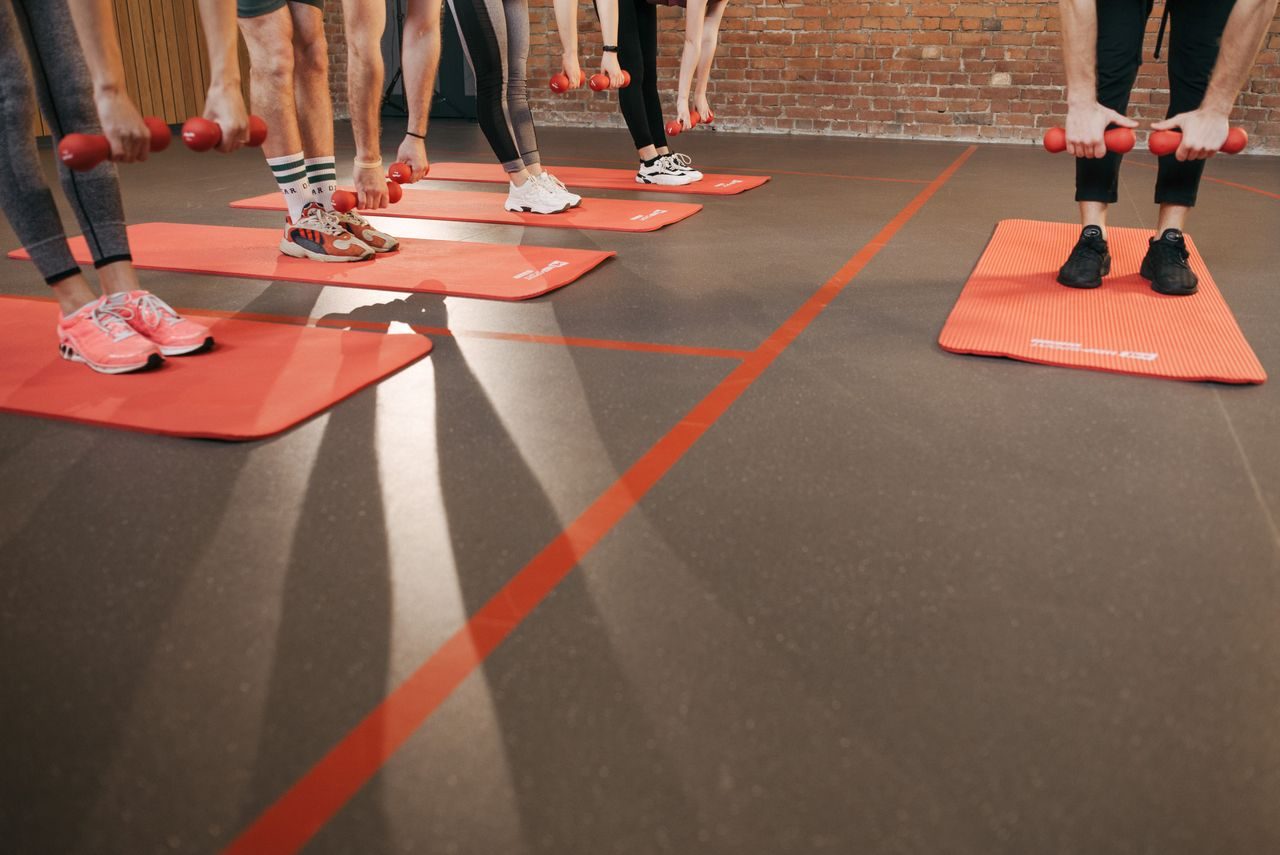
Many people begin strength training by focusing first on how much weight to lift or how many repetitions to complete. Equipment specifications and movement terminology provide the necessary frame before those numbers become relevant. Published ratings on machines or free weights indicate maximum tested loads, recommended user heights, or floor-space requirements rather than personal starting points.
Clear language around movements such as hinge, press or row reduces the chance of mismatched expectations when following written programmes. The sections below examine specific points where confusion commonly arises and how to separate published details from individual decisions.
Published load ratings versus session choices
Equipment manuals or product sheets list maximum user weight, maximum load capacity and sometimes minimum ceiling height for overhead movements. These figures come from standardised testing by the manufacturer and do not translate directly into the first session plan. A rack rated to 200 kg does not imply that weight should be approached quickly or at all.
Readers can note the rating once, then set it aside while deciding on an initial load that allows controlled movement through the full described range. The rating serves as a safety ceiling, not a target. Checking the same specification across two or three similar products reveals whether the number reflects a conservative test or a higher advertised limit.
Space and floor requirements listed by manufacturers
Many adjustable benches and cable stations publish both assembled dimensions and recommended clearance zones. The clearance zone accounts for safe entry, exit and movement of plates or bars. Ignoring the published clearance can place equipment too close to walls or walkways, limiting safe positioning even when the load itself remains modest.
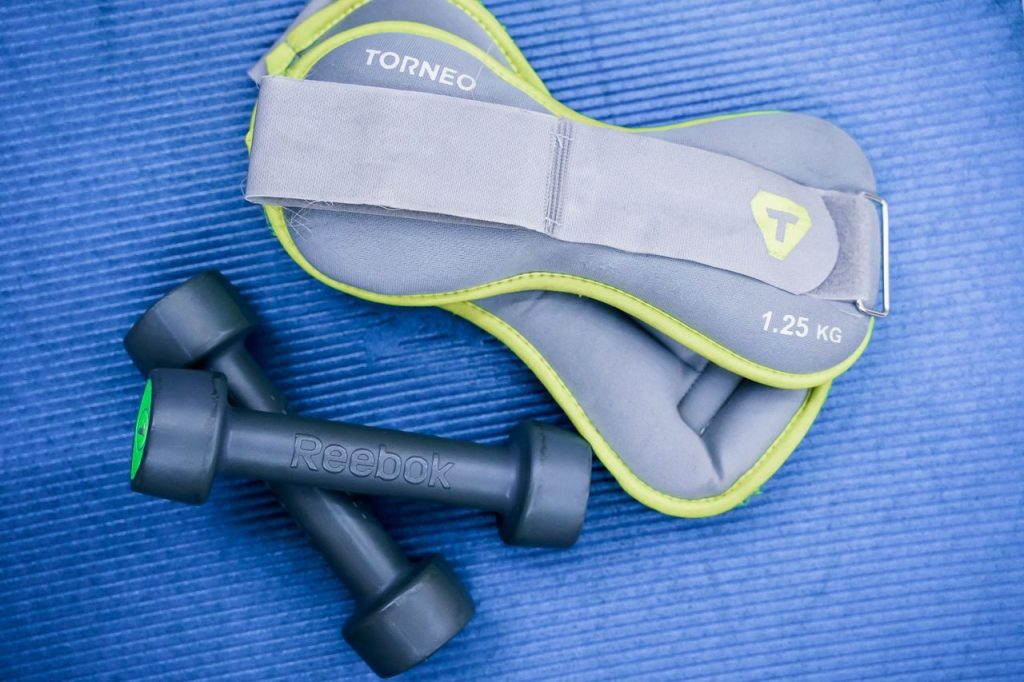
Before purchase or rearrangement, measure the listed length plus the stated clearance on each side. Compare that total against the actual floor area available on an ordinary day, including any doors that open into the space. If the total exceeds the room, the equipment description itself signals that an alternative layout or smaller item may suit the setting better.
Standard names for basic movement patterns
Programme text often uses hinge, squat, press, pull and carry as shorthand. Each term describes a joint action sequence rather than a single exercise. A hinge, for example, keeps the spine neutral while the hips move backward; it does not prescribe a particular grip width or stance.
When a description includes an unfamiliar term, locate a diagram or short video that isolates the joint actions without added load. Match the diagram against the written cue list in the programme. If the cue list mentions “neutral spine” or “shoulder blades down and back,” confirm what those phrases look like in the diagram before adding any external resistance.
Adjustable settings and their published ranges
Many machines list seat height, backrest angle and arm length ranges. These ranges exist so the movement axis aligns with the user’s joint centres. Using a setting outside the printed range can shift stress away from the intended muscles even when the movement still feels possible.
Start by setting the machine to the midpoint of the published range, then perform one unloaded repetition. Check whether the handles or pads meet the body at the points described in the movement definition. Small adjustments within the range can be noted, but settings beyond the printed limits are best avoided until guidance from a qualified instructor confirms they remain appropriate.
Repetition and set notation in programme tables
Tables commonly list sets, repetitions and rest intervals. These numbers describe volume once the movement and equipment are already understood. Reading the table before clarifying the movement name can lead to counting errors or mismatched rest periods.

Review the movement definition first, then return to the table. Confirm whether the listed repetitions refer to each side separately or to both sides together when the exercise is unilateral. Note the rest interval as a minimum rather than a fixed requirement, allowing extra time if breathing has not returned to a steady rate.
Questions for retailers or facility staff
Retailers can supply the original manual or specification sheet when asked. Staff at a facility can point out where published clearance measurements begin and end on a particular machine. Both sources provide factual details rather than personalised recommendations.
Useful questions focus on the printed information: “Does this model list a different clearance zone from the previous version?” or “Where does the manufacturer mark the start of the recommended operating area?” Answers supply concrete numbers that can be measured against the intended training space.
Keeping records separate from interpretation
A simple log can record the equipment model, the setting used and the movement name exactly as written. Separate columns for personal observations such as ease of breathing or smoothness of motion keep the published data distinct from individual feedback. Over several sessions the log shows whether the chosen setting remains consistent with the printed range.
When the movement name or equipment specification changes in a new programme, the log provides a reference point for comparison without assuming prior loads remain suitable. The record stays factual and avoids turning equipment details into performance targets.
Understanding the distinction between published specifications and personal session decisions supports clearer planning. Equipment ratings and movement terms supply boundaries; the choice of load and repetition count remains a separate step taken after those boundaries are confirmed.