Enjoyment is practical information
An activity can look effective in an advertisement and still be difficult to repeat in your life. Enjoyment, access and the social setting matter because they affect whether you want and are able to return. Start with activities that interest you rather than a ranking of what supposedly burns the most. The aim is not to find one universally best choice. It is to understand which appropriate option has a realistic place in your week and why you might choose it again.
Describe the appeal in ordinary terms. You might like being outdoors, learning a skill, sharing time or having quiet space. Those preferences do not need a medical explanation. At the same time, enjoyment alone does not establish suitability for every health condition. Keep relevant qualified guidance in view. A clear preference helps shape a conversation; it should not become a reason to ignore instructions or assume that an appealing activity requires no preparation simply because it looks natural and accessible to other people.
Compare the whole arrangement
Look beyond the activity's name. Travel, booking, instruction, cost and available facilities can change the experience. A nearby option with understandable access may fit better than an exciting class requiring a difficult journey. Write the actual conditions, using provider information where relevant. Check the current price and exactly what the trial includes, including any separate charges. A comparison becomes more useful when it describes how the activity would happen in real life, not just the idealised part shown in a photograph or short promotional video.
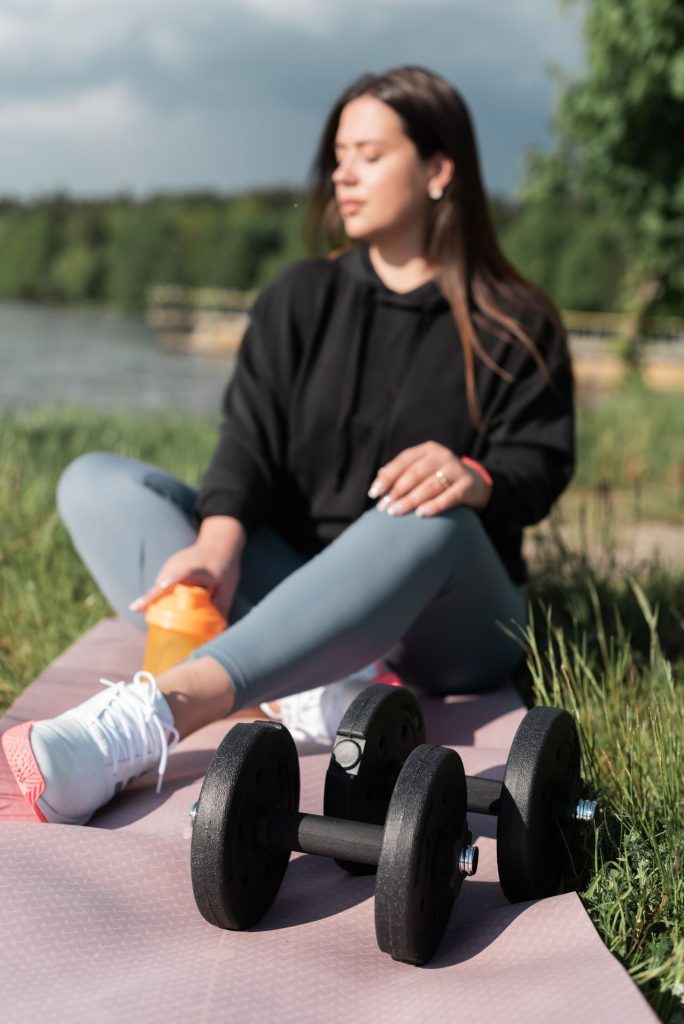
Consider how much social interaction you want. A group may offer company, while a solo option may provide privacy and flexibility. Neither is morally better or clinically superior for every person. You can prefer a quieter setting without diagnosing yourself, and enjoy a group without promising to attend every session. If another person is involved, agree expectations. Shared activity should not depend on one person pretending that an unsuitable pace or format fits them merely to avoid disappointing a companion who had a different idea.
Try a limited, understandable next step
You can explore an option without committing to a full identity around it. Ask about an introduction, read the relevant instructions or try an appropriate opportunity with suitable support. The purpose is to learn, not demonstrate immediate skill. A first experience may feel unfamiliar even when the setting eventually fits, so separate the ordinary process of learning from a genuine access, safety or health concern that needs a different response rather than automatic persistence until you can claim that you enjoyed it.
Keep the evaluation concrete. Which part did you enjoy, what interrupted it and what would need changing? A statement such as the route was difficult to reach tells you more than I am not an active person. You can adjust a condition or look elsewhere. Avoid turning one experience into a final verdict on every form of exercise. Likewise, a positive first session does not require buying an expensive package immediately before you have checked the actual terms and whether the practical routine will remain manageable next week.

Leave room for variety and ordinary interruptions
You do not need one activity to serve every purpose. A social session and a quiet suitable walk may provide different experiences. Keep any plan aligned with appropriate guidance without making every free moment an opportunity to add intensity. An activity you enjoy should not become a duty in every spare hour. Other relationships, interests and rest remain parts of ordinary life, and protecting them can be a practical consideration rather than evidence that you lack sufficient commitment to becoming a particular kind of person.
If a week changes, revisit timing and support rather than treating the missed opportunity as a debt. No compensatory workout or food restriction is needed to prove that the interest was genuine. You can return to the original purpose when the option becomes available again. If health concerns affect participation, seek the appropriate qualified advice. Enthusiasm does not answer every suitability question, and a general article about preferences cannot decide a personal workload or interpret symptoms that emerge during an activity.
Choose a review question you can answer
After some experience, ask whether the arrangement still fits. You may keep the activity, change its setting or decide that another option is worth exploring. The review is not a score of determination. It helps connect preference with real conditions. If cost or access is a barrier, name it directly rather than attribute everything to motivation. That can open a more practical conversation about available options without promising that every obstacle has an easy solution or that a particular provider can accommodate it automatically.
Finding an activity to repeat is a process of noticing, trying and revising. You do not need a dramatic transformation or a favourite sport before beginning. A modest option with a clear purpose can be enough to learn from. Keep instructions, health context and practical access visible, while letting your own experience matter. The useful question is not which activity makes the most impressive claim, but which appropriate arrangement you understand, value and can realistically choose again when ordinary life allows it.