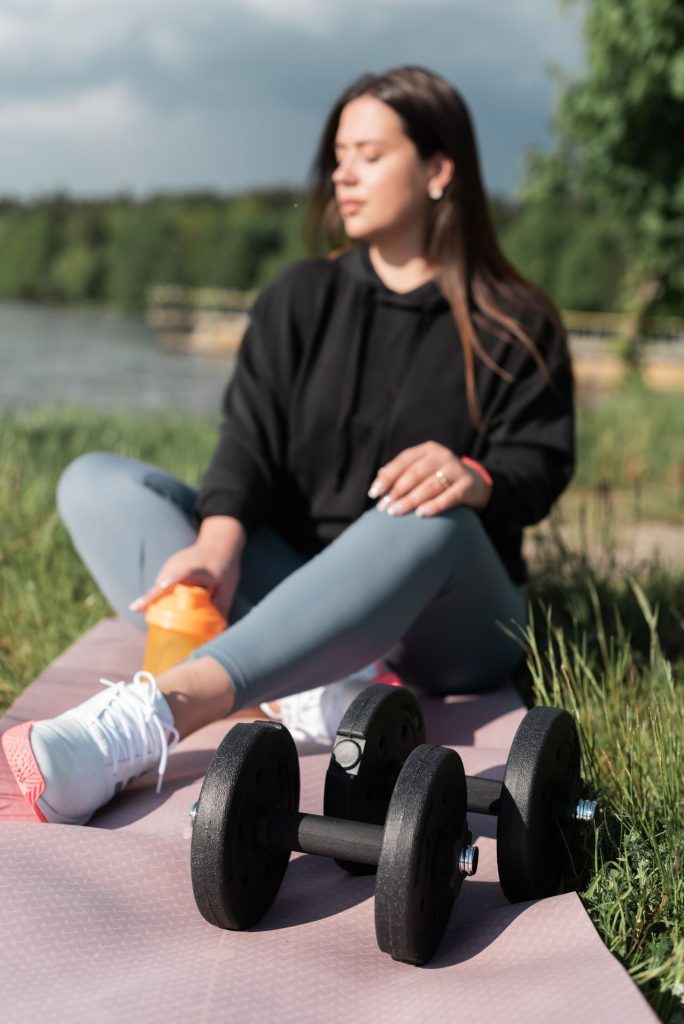
When exercise becomes a familiar part of the week, other interests can gradually lose their place without anyone making an explicit choice. Reading, music, cooking, gardening or seeing friends may survive only in the gaps. Giving those interests a place of their own is ordinary calendar planning. They do not need to improve a workout, burn energy or justify themselves as a recovery technique.
Identify what has been squeezed out
Think about the activities you used to enjoy and the ones you keep postponing. Be specific: finishing a library book is easier to schedule than “having more balance”. Notice whether the barrier is time, money, equipment or simply the habit of filling every free evening with another session. Different barriers suggest different practical changes rather than one universal solution.
Choose an interest you actually want, not one selected to make your routine look well rounded. A quiet hobby at home and a group activity outside it can both be worthwhile. There is no requirement to become accomplished or share the result publicly. An interest can be small, intermittent and enjoyable without developing into a second project with its own progress dashboard.
Give the activity a usable appointment
Reserve a realistic block that includes setup and travel if needed. A workshop across town requires more than the advertised class time, just as exercise does. Check opening hours, costs and booking requirements. If the first option is difficult to access, look for a smaller version: borrowing materials, attending an introductory meeting or starting with something already available at home.
Protect the appointment in the same ordinary way you protect other commitments. Put it in the shared calendar and arrange necessary responsibilities beforehand. This does not mean every hobby becomes compulsory. It means the time is visible enough to avoid being automatically replaced whenever a new exercise booking appears or somebody assumes that an unlabelled evening is available.
Let social time have its own shape
Friends may enjoy meeting without joining your training routine. Ask what they would like to do and choose an arrangement that works for everyone. A meal, a conversation or a visit to an exhibition does not need an attached step target. Shared interests can differ, and companionship need not depend on matching somebody else's pace, equipment preferences or fitness goals.
Likewise, a partner or family member may not want every trip planned around gym access. Discuss priorities before bookings are fixed. Taking turns choosing activities can be clearer than expecting one person to fit around the other's routine indefinitely. The aim is a workable agreement, with room for relationships and preferences that cannot be represented by a training calendar alone.
Notice when everything becomes a metric
A hobby can acquire the same pressure as a workout if every book, practice session or craft project needs a score. Decide what you want to record, if anything. A shopping list for materials may be useful; an elaborate productivity report may not. Keep the record tied to a practical purpose rather than assuming that measurement automatically makes leisure more valuable.
If comparison is draining the enjoyment, reduce exposure to competitive feeds or choose a setting focused on participation. Beginners are allowed to make imperfect things. You can leave an activity unfinished, change your mind or enjoy it without displaying evidence. Leisure does not have to become another public demonstration of discipline to deserve a place in the week.
Review the balance without prescribing an identity
After a few weeks, ask what the arrangement made possible. Did the appointment actually happen? Was the travel manageable? Would you prefer company or time alone? Those questions can guide a small adjustment. You do not need a perfect balance between categories or a new label for yourself. A flexible mix can change with work, caring duties and personal interests.
Exercise can be one valuable part of life alongside many others. If distress, persistent anxiety or another mental-health concern is affecting daily functioning, seek appropriate support rather than treating either a hobby or training as a complete substitute. For ordinary scheduling, the task is simpler: make enough room that the activities you value can exist without having to compete for a fitness score.