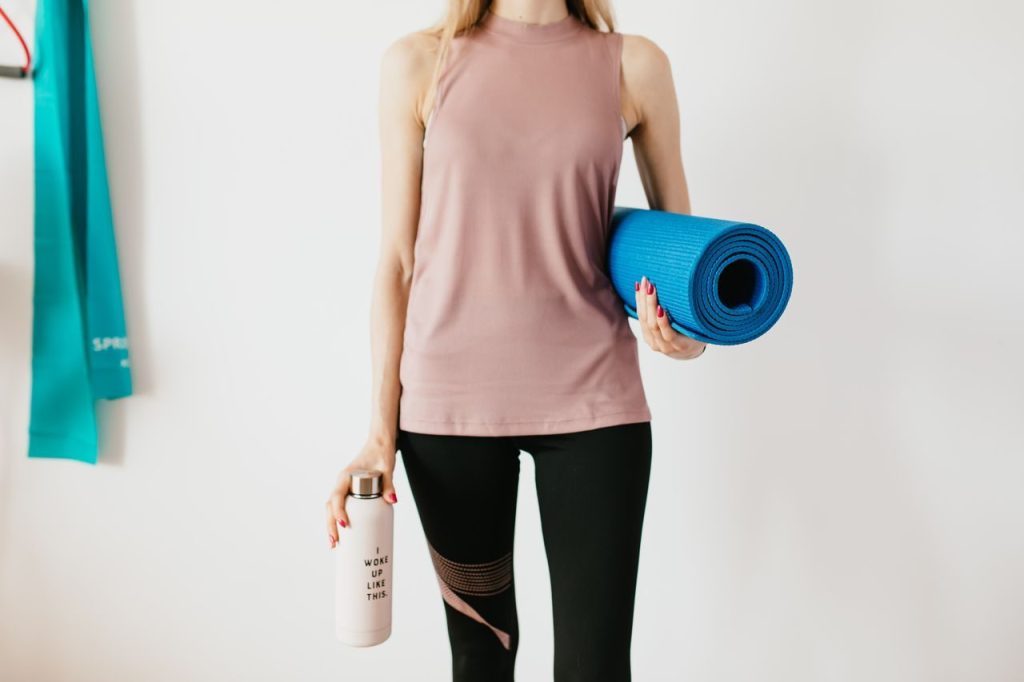
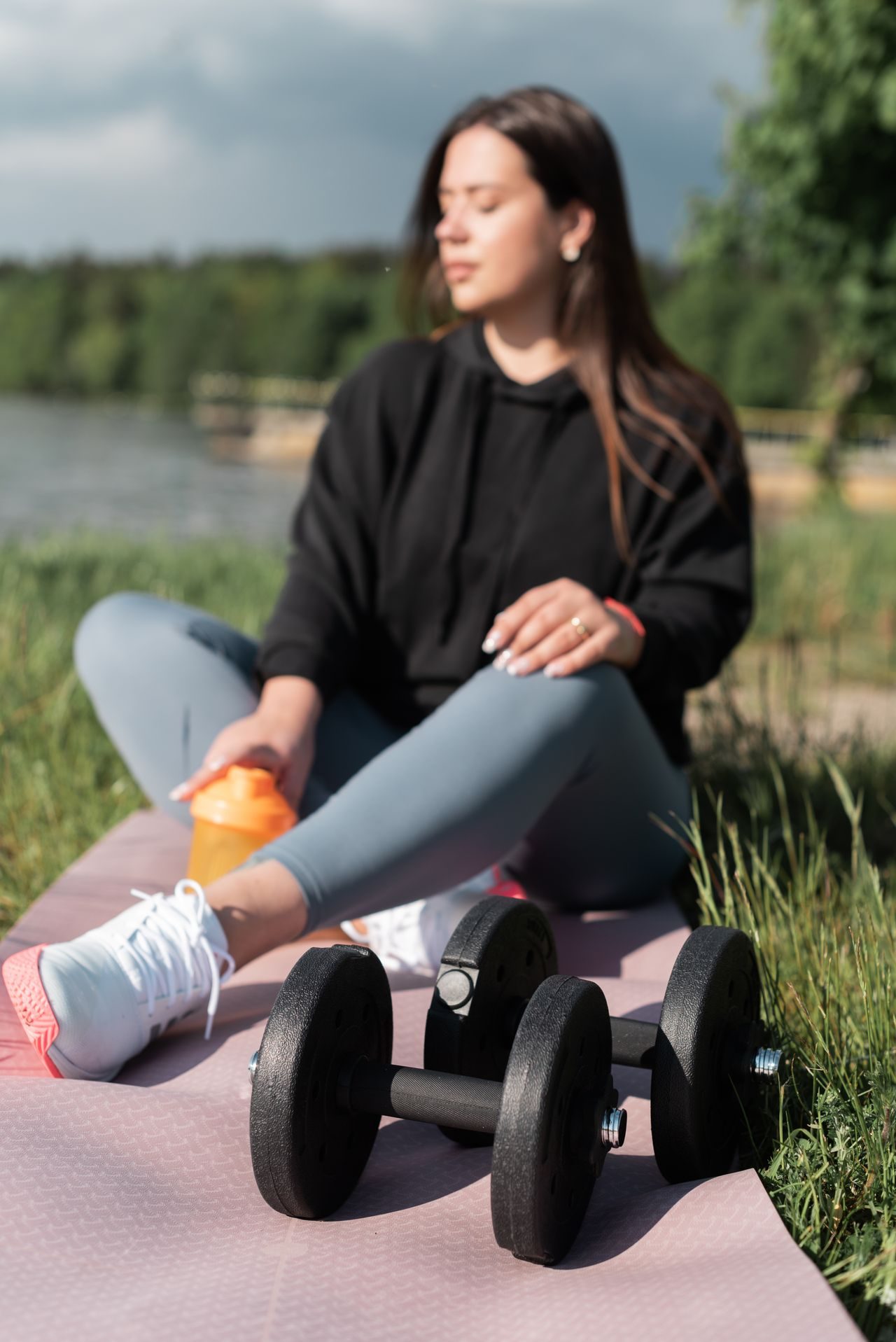
Moving an indoor session outside changes more than the scenery. Wind, rain, sunlight, surfaces and access can alter the practical demands of an otherwise familiar plan. Treat the move as a new setting to review, not an automatic upgrade when the forecast looks attractive. The useful decision is whether this activity, in this location, suits the conditions and the people taking part today.
Check the forecast for the actual location
Look at the time and place of the proposed session, including the journey there and back. A broad daily forecast may conceal changing conditions during the outing. Review relevant local warnings and notices as well as temperature. Wind, heavy rain or poor visibility can matter even when the headline number appears comfortable or the morning looked clear.
Choose a reliable point at which to reconsider the plan, such as before leaving home or before travelling beyond an easy return. Share that arrangement with companions. A booked meeting does not prevent a change when conditions differ from expectations. Keep an indoor alternative or postponement available so the decision is not framed as bravery versus failure.
Inspect the setting, not just the activity
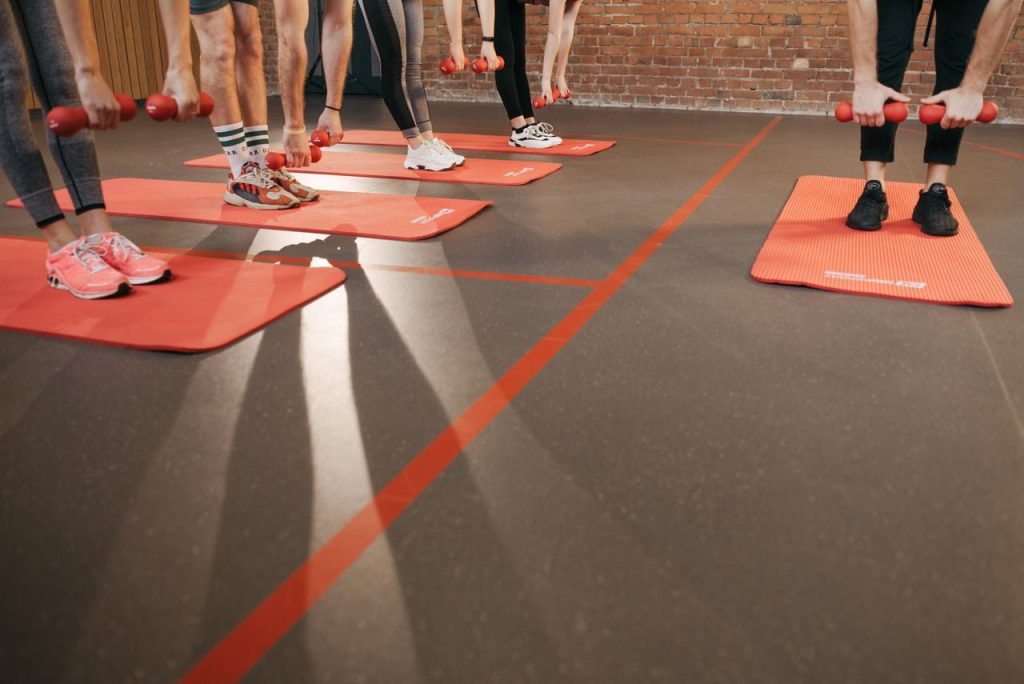
An exercise familiar on an indoor floor may meet uneven ground, wet leaves, loose gravel or an awkward slope outside. Check the space and its permitted uses. Avoid blocking paths or assuming that public furniture can serve as exercise equipment. A bench, railing or wall may not be designed or maintained for the loads a planned activity would place on it.
Consider other people using the space, including children, cyclists and those who need a clear route. Leave room for them rather than treating an open area as a private studio. If the setting does not provide the space or surface needed, choose something else. Familiarity with an exercise does not remove the need to assess the place where it will happen.
Prepare for comfort and practical access
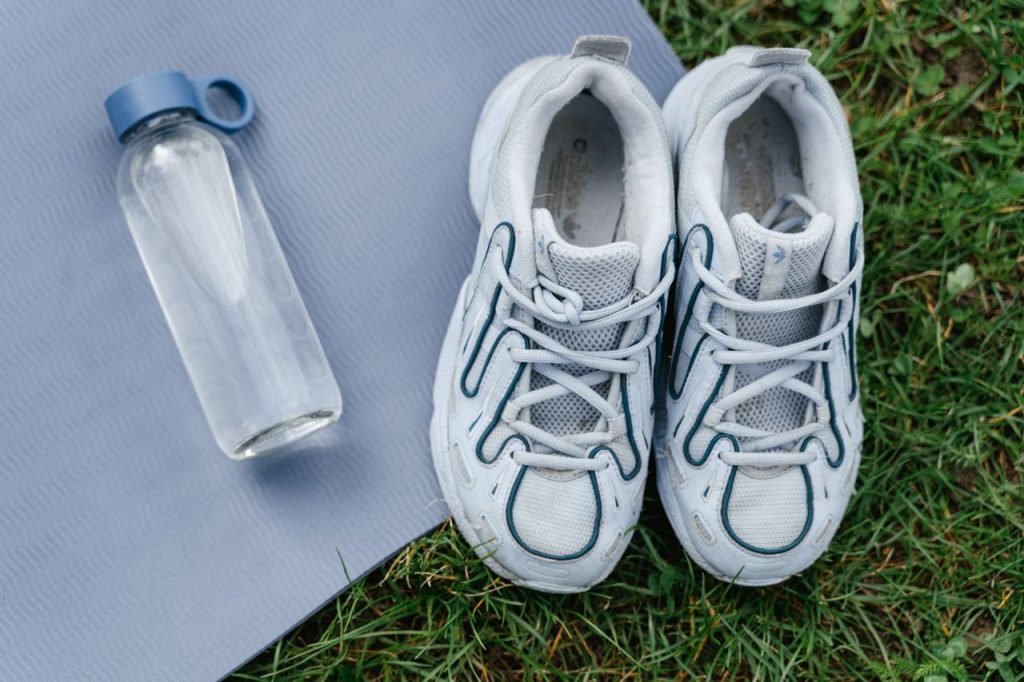
Choose clothing and footwear with the expected conditions and activity in mind. Arrange access to drinking water and a place to leave belongings without obstructing others. If shade, toilets or shelter are important, confirm what is available rather than relying on an old map symbol. Seasonal opening and maintenance can change the usefulness of a location.
Individual circumstances matter in heat, cold and other demanding conditions. Avoid adopting somebody else's tolerance as your own or treating discomfort as a challenge to overcome. Relevant health advice and medication information may affect decisions. There is no single outdoor temperature that guarantees suitability for every person, every activity and every length of time.
Keep communication and return options simple
Know the address or a clear description of the meeting point. In a large park, the name alone may not tell a companion or emergency service where you are. Keep a way to contact help and enough phone power for the journey. If reception is unreliable, consider a setting with more straightforward access rather than relying entirely on an application.
Agree what happens if someone wants to finish early. Shared transport can otherwise create pressure to continue. A short loop, nearby public transport or a clear regrouping point can make a change easier. If someone becomes seriously unwell, seek appropriate urgent help rather than treating the problem as a normal part of exercising in challenging weather.
Review what the outdoor choice added
Afterwards, note the useful practical details: a sheltered meeting point, a slippery section or a facility that was closed. Keep the date and conditions beside the note. An enjoyable outing on one day does not certify the location for all seasons, and an awkward experience may reflect a specific weather or access issue rather than the activity itself.
Use those observations to improve the next decision. You may choose a different hour, a firmer surface or an indoor session when conditions are uncertain. Outdoor activity can be enjoyable without becoming compulsory whenever the sun appears. A good plan leaves room to adapt, protects other users' access and treats returning comfortably as part of the outing rather than an afterthought.