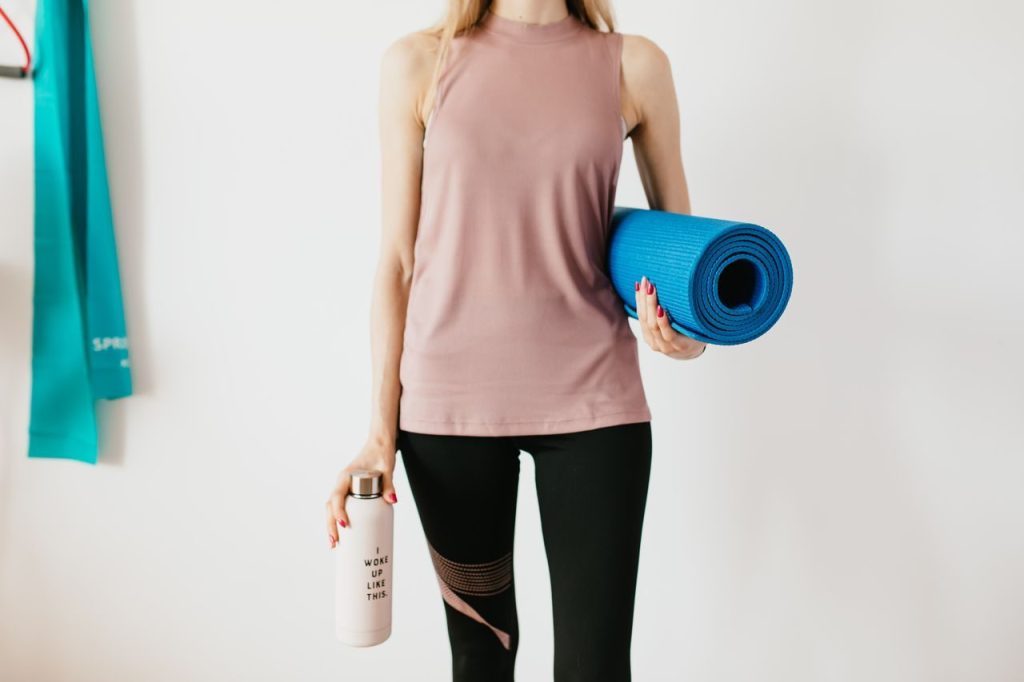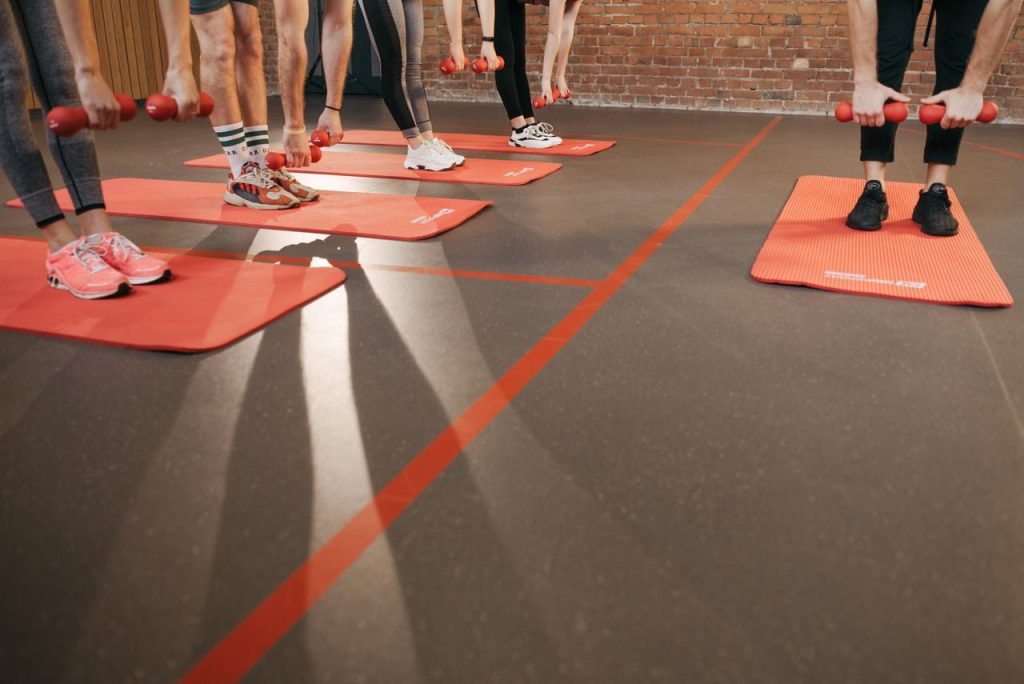
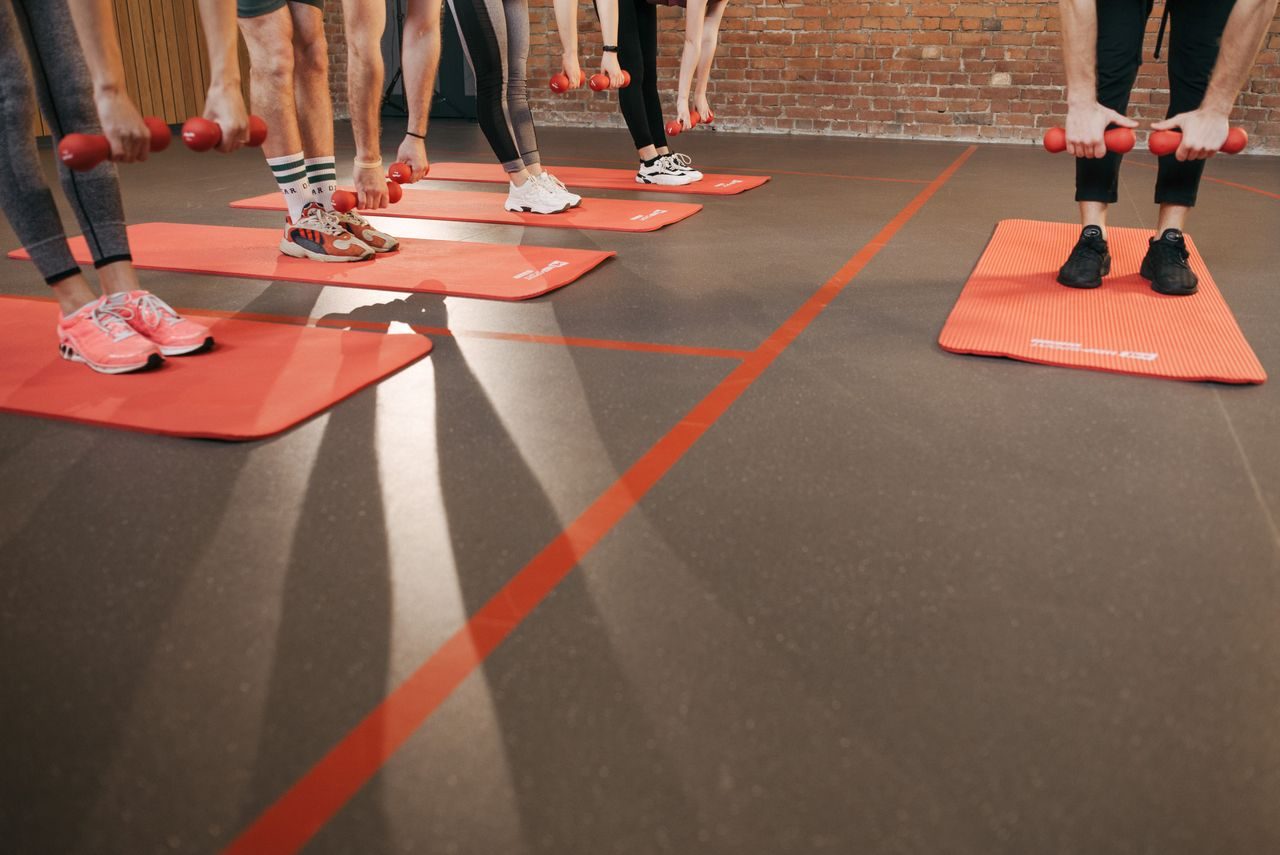
Company can change an activity session in useful ways: someone shares the journey, introduces a venue or makes a familiar outing more enjoyable. It can also add pressure if expectations are different. Choosing a companion starts with the kind of experience you want, followed by a clear conversation about pace, responsibility and the freedom to pause or leave without having to defend the decision.
Match the purpose before the appointment
Tell the other person whether you want conversation, a quiet shared visit or help understanding a new setting. These are different requests. Someone expecting a competitive session may be disappointed by an unhurried walk, while someone seeking company may feel abandoned if the companion immediately begins a separate programme. Clear expectations reduce the need to negotiate while already taking part.
Ask what they would like too. Company should work for both people rather than turning one into an unpaid coach or permanent motivator. You might share transport and then do different activities, or meet afterwards instead. A good arrangement can be simple and limited; it does not require matching every session, goal or preference for the foreseeable future.
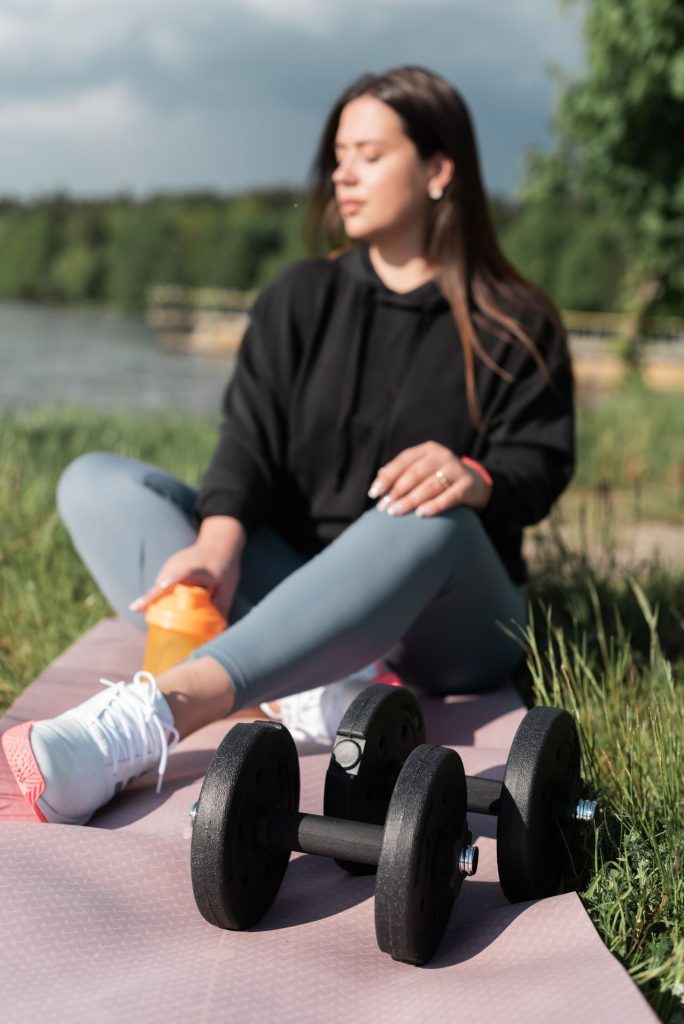
Agree how the session will stay flexible
Discuss the route or venue, the available time and what happens if either person wants to stop. For a walk, identify a shorter return option. At a venue, agree a meeting point if you separate. A clear plan avoids one person continuing through discomfort merely because leaving would complicate the other's journey or feel socially embarrassing.
Keep consent visible during the session. Ask before changing the plan, filming, sharing results or giving physical assistance. Familiarity does not remove the need for permission. A companion may welcome encouragement on one day and prefer quiet company on another. Checking briefly is usually more useful than assuming that a particular style of motivation suits everyone all the time.
Separate company from instruction
A friend can point out where reception is or explain how their own booking works. That is not the same as being qualified to teach unfamiliar equipment or assess a health concern. Use venue staff for the relevant introduction and seek appropriate professional advice when necessary. The friendship can remain supportive without becoming a substitute for expertise it does not provide.
Avoid copying another person's load, pace or programme simply because you arrived together. Shared surroundings do not make circumstances identical. If you need different arrangements, say so before the session becomes a comparison. You can enjoy the same visit while following separate instructions, choosing different activities or spending different amounts of time in the setting.

Decide what will be shared afterwards
Some people enjoy exchanging a brief message about the session; others dislike ongoing accountability checks. Agree what is welcome. A friendly invitation for next week is different from a demand for an explanation every time someone cancels. Leave room for work, health and family changes that the other person may not want to describe in detail.
If photographs or activity data are involved, ask before posting. A private outing should not automatically appear on a public feed with a location and a performance comparison. Check whether the other person wants to be named or tagged. Removing an image after a disagreement is less satisfactory than respecting the boundary before it is shared.
Review the partnership in practical terms
After a few sessions, consider whether the arrangement makes participation easier and more enjoyable. Perhaps shared travel is valuable but the activity pace differs. Change the agreement rather than judging either person. Meeting only for the journey, choosing a different activity or keeping occasional sessions together can preserve the useful part without repeating an uncomfortable mismatch.
Solo activity can also remain part of the week. A companion is an option, not proof of commitment or a requirement to be confident enough to participate. If an interaction becomes pressuring or dismissive, step back and choose another arrangement. Good company leaves each person able to ask questions, respect their own boundaries and finish the session without performing for somebody else's approval.