
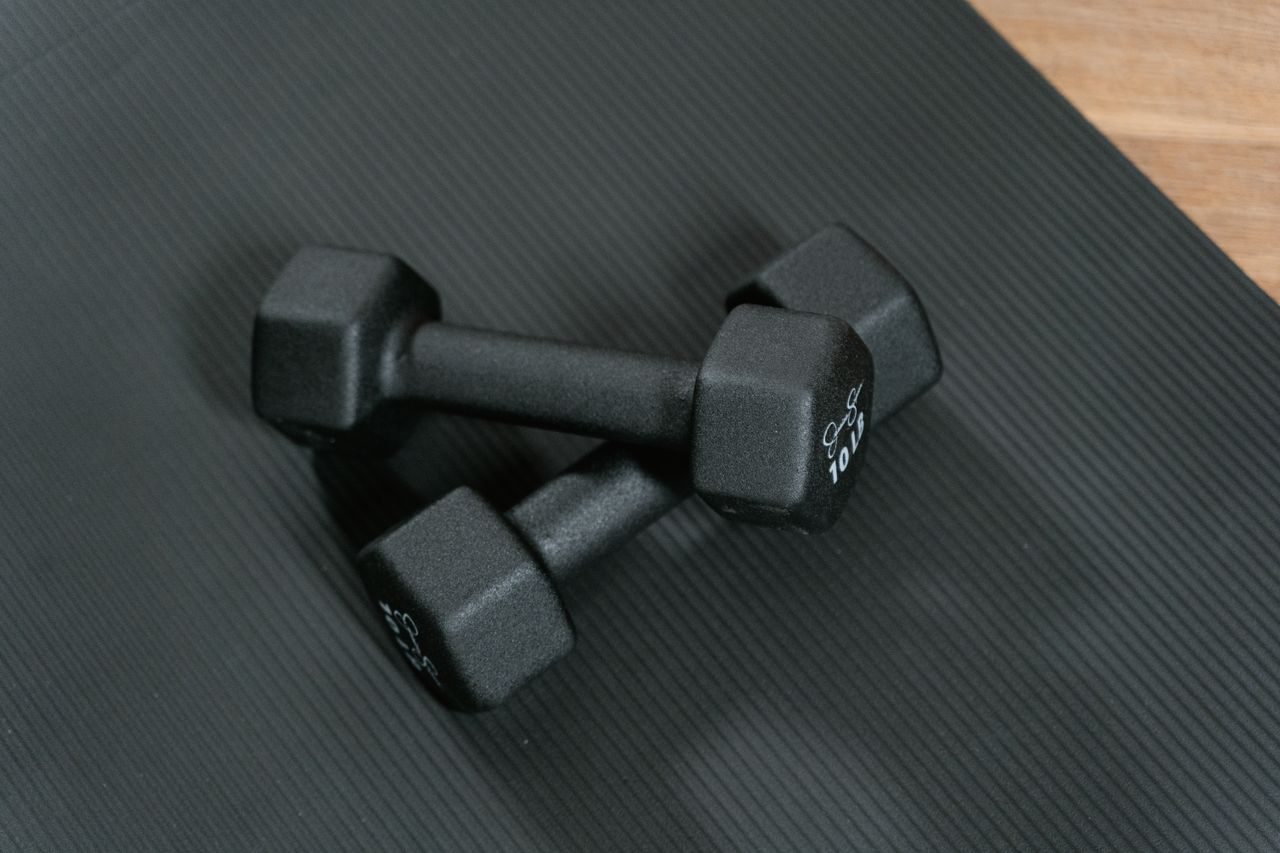
Many adults look for ways to add movement during ordinary parts of the day yet run into repeated mismatches between the plan and the actual setting. The mismatch often stems from overlooking how space, timing and shared access shape what can be done without disruption or extra cost.
These choices become clearer once the focus shifts from general ideas to the concrete limits of a hallway, a lunch break or a bus stop. The sections below outline frequent oversights and direct adjustments that keep movement feasible within the existing day.
Assuming any open floor works the same way
A common first step is to pick a movement because it requires little equipment, then discover the chosen spot has furniture, cables or foot traffic that blocks it. In a living room this might mean a coffee table that cannot be moved each time; in an office corridor it might mean doors that swing open without warning. Checking the full width and clearance before starting avoids repeated interruptions.
Another frequent error is treating all floor surfaces as equal. A kitchen tile floor may feel stable for balance work, yet the same movement on carpet changes foot placement and requires different attention to posture. Testing the surface once with a slow version of the movement reveals whether the choice fits the room.
Overlooking how long the available slot actually lasts
People often select a sequence that fits a ten-minute window on paper, then find the real slot shrinks because of a delayed train or a child needing attention. Breaking the sequence into independent segments allows the first part to finish even if the second part cannot start. This keeps the total movement closer to the intended amount without forcing an extension into the next task.

Timing also interacts with access. A stairwell may be empty at 7 a.m. but becomes a bottleneck by 8 a.m. Noting the usual pattern of use in that location prevents starting a movement just as others arrive.
Treating shared areas as private workout zones
Household or office spaces are used by several people with differing needs. Placing a mat across a walkway blocks others even if the movement itself takes little time. A practical check is to ask whether the chosen spot can be returned to its original state within thirty seconds. If the answer is no, the location needs reconsideration.
Sound levels matter in the same way. A movement that involves repeated foot strikes may disturb someone working or resting nearby. Replacing it with a version that keeps feet closer to the floor maintains the intention while respecting the shared context.
Choosing movements that require consistent conditions
Some movements depend on even lighting or a steady temperature. When the setting changes, for example moving from a lit corridor to an outdoor platform, the same movement loses its original advantage. Selecting options that tolerate variation in light or footing reduces the chance that one change in the day cancels the entire plan.
Weather is one obvious variable, yet indoor conditions also shift. A room that is quiet on weekdays may host deliveries on certain mornings. Keeping a short list of two or three alternative locations for the same movement provides immediate substitutes.
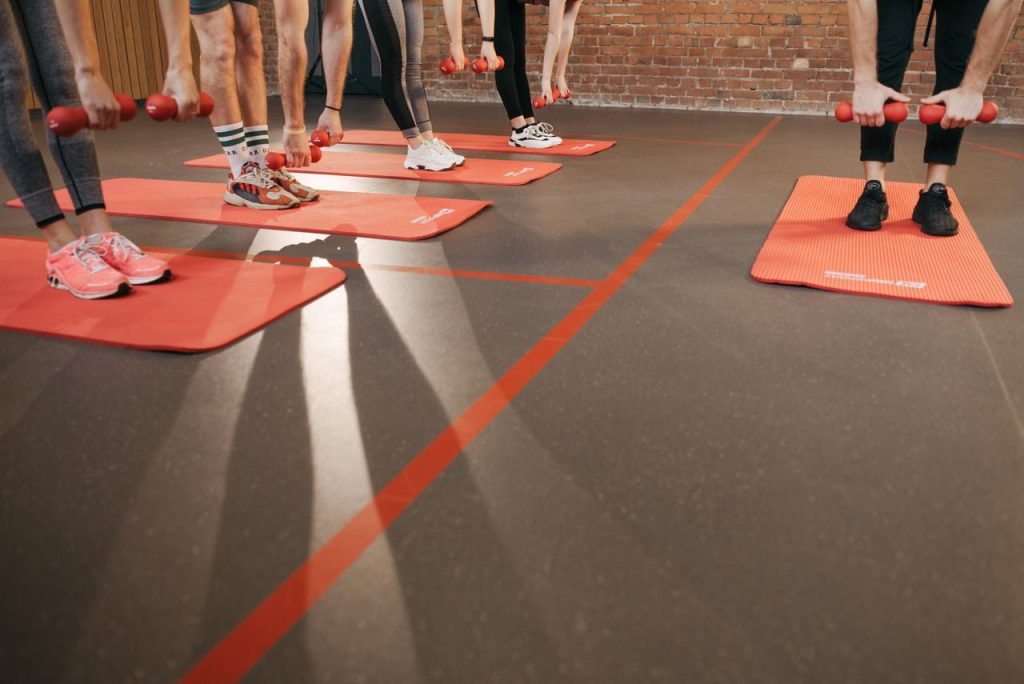
Skipping a quick scan of entry and exit routes
Movement that begins in one place sometimes requires moving to another for the next part. If the route passes through a narrow doorway or past a locked gate, the plan breaks. Walking the intended path once without performing the movement shows whether the full sequence can be completed without backtracking.
Access also includes storage. Equipment left in the way after use creates a new obstacle for the next person. A simple reset step, such as folding a mat against the wall rather than leaving it flat, keeps the area usable for its primary purpose.
Repeating the same choice across different days without review
A movement that fits on a quiet Tuesday may clash with Thursday’s delivery schedule or Friday’s early meeting. A brief note at the end of each week, recording which locations worked and which did not, supplies data for the following week. The record needs only the place, the approximate length of the slot and whether anything blocked completion.
Over time the notes reveal patterns, such as certain corridors being reliable only before 9 a.m. Adjustments then become specific rather than repeated trial and error.
Expecting the same movement to serve every remaining gap
Once a movement is familiar it is tempting to apply it to every short interval, yet some gaps are too brief or too public. A standing balance option may suit a platform wait, while a seated option suits a train carriage. Matching the movement to the exact constraints of each setting prevents the plan from becoming impractical.
Reviewing the list of possible movements against the actual locations available that day keeps the choices grounded. When the match is poor, postponing rather than forcing an unsuitable option avoids frustration and maintains the habit over longer periods.