Travel can dismantle the small arrangements that make an ordinary activity routine easy: a familiar route, suitable clothes and a venue whose layout you understand. Trying to transport the entire routine can add weight and stress without solving those differences. A more useful plan begins with the purpose of the journey and the opportunities that actually exist at the destination.
Put the journey on the calendar first
List departure times, transfers, work commitments and the needs of travelling companions. Add realistic margins for delays and arrival tasks. A day with several connections may have very little discretionary time, even if the ticket shows only a short flight. Plan around that complete day rather than assuming a workout fits wherever the timetable contains a gap.
Decide which parts of the usual routine matter to you and which can wait. You may enjoy an outdoor walk but have little interest in finding unfamiliar strength equipment for a brief stay. That preference is useful information. A trip does not require a miniature replica of home life, and a short interruption need not become a crisis of identity.
Check facilities before packing for them
A hotel photograph may show equipment that is unavailable during your visit or located in a room with restricted access. Ask about opening hours, entry arrangements and what is actually present. Find out whether an introduction is available if you would need one. The existence of a room labelled gym does not tell you how it will work for you.
If you plan to visit a local venue, check guest access, booking requirements, travel time and any equipment you need to bring. Save the relevant information offline. A clear address and confirmed session can prevent a long search after arrival. If the arrangements remain uncertain, keep the activity optional rather than building the rest of the trip around it.
Pack for practical comfort
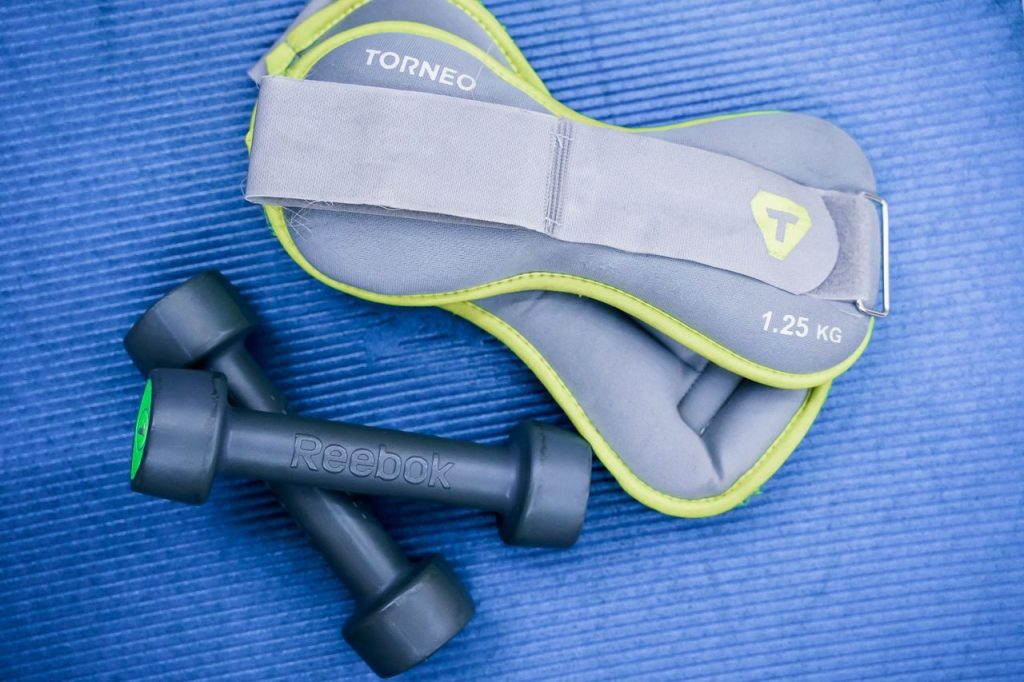
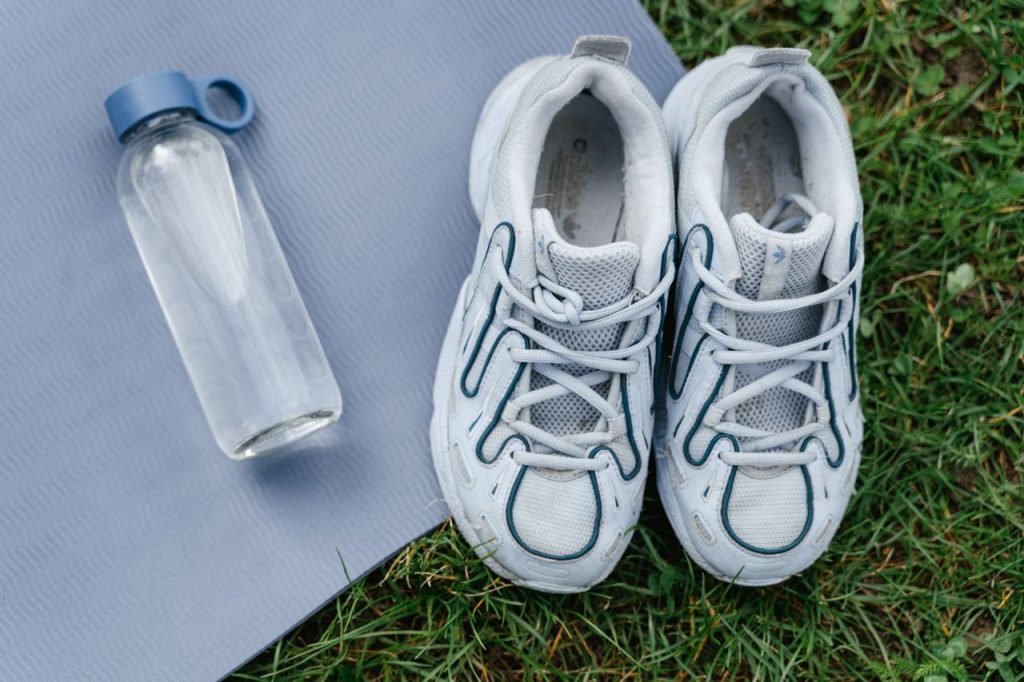
Choose clothing and footwear for the activities you are genuinely considering, the forecast and the luggage allowance. Keep ordinary travel needs in view. A bulky piece of equipment that displaces useful clothing or creates an awkward bag may add more friction than value. Check transport rules before carrying any unusual item, particularly if travelling across borders.
Do not improvise exercise equipment from accommodation furniture. A chair, door frame or table may be unsuitable for loading even when it appears sturdy. Its design, condition and fixing are unknown. If the available setting does not support a planned activity safely, change the plan rather than trying to make a room perform a function it was not designed for.
Explore with the setting in mind
Walking can be part of enjoying a destination, but route planning still matters. Check surfaces, lighting, crossings, weather and a way back. Consider company and local advice in an unfamiliar area. A route shown on a map may include access restrictions or conditions that are not obvious from the screen, especially outside a town centre.
Keep food, drink access and personal health requirements within the wider travel plan rather than attaching them to a compulsory distance target. If conditions change, shorten or abandon the outing. The useful outcome is an enjoyable and manageable experience, not a complete track on an application. Travelling companions may also want a different pace or a different way to spend the day.
Return without making the trip a deficit
On coming home, review what happened before booking extra sessions. A demanding journey may leave practical tasks and changed commitments to resolve. Where illness or a health concern arose, seek advice appropriate to that situation. A return to a familiar venue should not be used as a test of whether a problem has disappeared.
Keep one note for the next journey: a facility worth confirming, an item that was useful or a route you enjoyed. Leave out the urge to score the trip against an uninterrupted home routine. Travel planning works best when it allows flexibility. Your luggage and diary can support that flexibility without carrying a complete gym or a requirement to exercise every day.