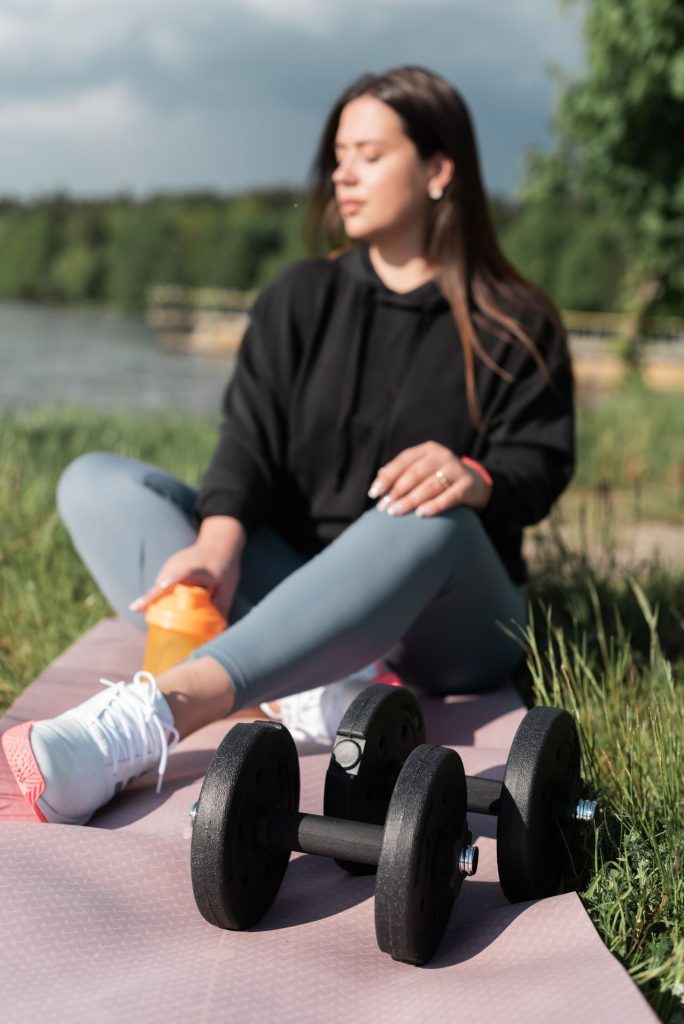
A day without a training session can feel surprisingly difficult to organise. A calendar that usually supplies a start time, a task and a result suddenly contains an open space. That space does not need another assignment. Rest can be an ordinary part of a week rather than a project that has to prove its value through a better session tomorrow.
Name what is actually available
A free evening, a day away from the gym and a day free from work are different things. A person may miss a class yet spend the afternoon caring for children or working on their feet. Write the commitments that remain before imagining a perfectly restful day. This gives a more realistic picture than an empty box in a fitness application.
Decide which obligations can move and which cannot. Food shopping may still be necessary; reorganising every cupboard probably is not. If household work is shared, agree who handles it rather than silently treating the person without a workout as automatically available. A short conversation can protect the time more effectively than buying another recovery product.

Leave movement optional
Some people enjoy a gentle walk, while others prefer reading or meeting a friend. Neither choice needs the label of a workout. Choose an activity because it fits the day and feels welcome. There is no requirement to turn every break from structured training into a measured walk with a target, route comparison and uploaded result.
Population physical-activity guidance describes patterns over time, not a moral judgement on an individual afternoon. It can help frame a wider routine while leaving room for different circumstances. When a clinician has given individual instructions during illness or injury, those instructions have a different purpose from general lifestyle guidance and should guide the relevant decisions.
Reduce the administrative load
A day off can still fill with checking readiness scores, comparing supplements and planning the next training block. If those tasks are tiring, place them in a separate brief appointment later in the week. Put the tracker charger away, mute a competitive group chat or close the programme spreadsheet for the evening. These are practical boundaries rather than performance techniques.
Prepare only what would make tomorrow easier. Leaving clean clothing in a bag might be useful; researching an entire new training system may not be. Ask whether the task solves an immediate problem or merely replaces the missing workout with another obligation. Stop once the practical problem is resolved, even if the calendar still contains unallocated time.

Make social expectations explicit
Friends may expect a familiar weekend session, and instructors may ask why a booking was cancelled. A short answer is sufficient: “I am keeping today free and will review next week separately.” There is no need to offer a wearable report or invent a scheduling emergency. If the group wants company afterwards, decide whether that invitation genuinely suits you.
At home, explain the kind of time you need. Quiet time alone, an unhurried meal together and practical help with chores are distinct requests. Naming one is easier for other people to respond to than saying you should be recovering. Others also have needs; agree a workable arrangement without making one person's training calendar the centre of every household decision.
Review the arrangement, not your worth
At the end of the day, a useful question is whether the arrangement was manageable. Perhaps an outing was enjoyable but the travel was exhausting, or staying home made a neglected hobby possible. Record a sentence if it helps future planning. There is no obligation to award the day a score, prove improved performance or compare it with somebody else's routine.
If repeated exhaustion or a health concern is changing daily life, address that concern through appropriate professional support rather than continually redesigning a rest-day checklist. For ordinary planning, keep the conclusion modest: what needs less pressure next week, and what would you like more room for? A sustainable calendar includes time whose purpose is simply living outside training.