

Translate the line before following it
A strength programme often compresses several decisions into a short line. The exercise name identifies the movement; numbers and notes describe how the writer intends it to be organised. Reading that line correctly matters more than pretending the notation is obvious. Begin by identifying the source and audience. A programme written for somebody else may explain useful terms without establishing the right workload or movement choice for your own health, experience and circumstances.
A repetition is one complete instance of the described movement. A set groups repetitions together. Rest is the interval identified between relevant efforts or parts of the session. Those definitions help read a plan; they do not supply a universal number. The NHS strength guidance uses these concepts in general education, while an individual programme still needs understandable instructions, appropriate technique support and context. A glossary should make questions clearer rather than silently become a prescription.
Keep the numbers attached to their meaning
In a hypothetical notation example, three sets of eight repetitions describes twenty-four repetitions in those groups. It does not tell you which load, movement range or pace applies, and it is not a recommendation to perform that amount. Another writer may arrange information differently. Locate the programme's own key. If the order is unclear, ask the author instead of following the most familiar interpretation and discovering later that several numbers referred to something else entirely.
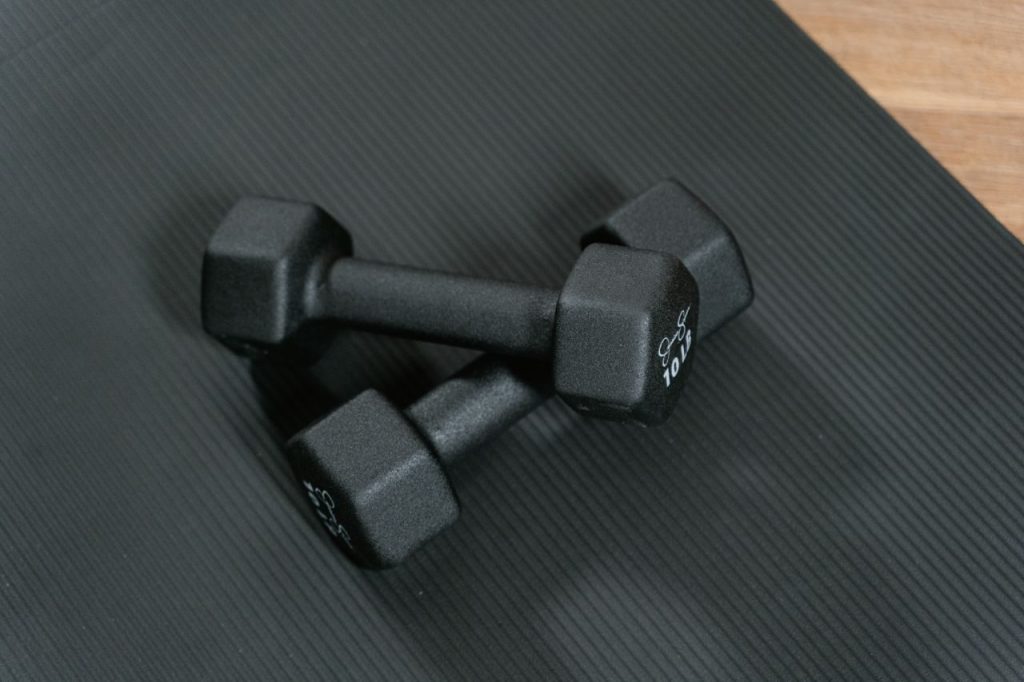
Units matter too. A time, distance, percentage and load value are not interchangeable. Preserve the unit when recording a line or copying a note. If an application hides information until another screen, read the relevant explanation before relying on it. A smaller-looking number is not automatically less demanding when the exercise, equipment or context changes. The job is understanding what is written, not ranking difficulty from the largest digit while ignoring the rest of the entry.
Treat rest as information, not an empty gap
A plan may describe rest in a specific way or leave it for discussion. Identify which case applies. Do not fill a missing interval with a guessed universal rule or assume that taking less time always improves the session. Rest is part of the organisation the author is describing, rather than a personal weakness to hide. If you cannot explain when the next part begins, that is a reasonable question about the plan's content.
Distinguish rest from equipment waiting time and ordinary transitions. In a busy gym, the actual session may differ from the written sequence. Record that context if useful and ask how the plan should be handled, rather than improvising a substitute movement or compressing everything to maintain a perfect-looking finish time. Discuss an individual programme change with suitable instruction and any relevant healthcare advice. Accurate reading makes it easier to seek the appropriate clarification without turning an everyday logistical issue into a test of determination.
Read notes and instructions together
The exercise name may have variations, and a familiar word is not enough to establish the intended movement. Check demonstrations, equipment instructions and the support provided by a suitably qualified person. A note about form or setup belongs with the exercise, not in a separate memory of something you saw elsewhere. Avoid copying another participant as a substitute for understanding. Their equipment setting and movement may be intended for a different purpose or individual situation.

If a notation includes an unfamiliar pace, sequence or limit, write the exact question. You can say which part you understood and where the ambiguity begins. This is more useful than asking whether the whole programme is good. It also keeps the response connected to the source. A confident comment from somebody who has not seen the plan may supply a plausible answer while missing the writer's meaning, leaving you with a method nobody actually intended or assessed for you.
Make your record clear to a later reader
When keeping notes, preserve exercise name, equipment context and the units actually used. Separate what the plan said from what happened. If a set or part was not completed, record the fact without converting it into a moral score. Record only the repetitions you actually completed and leave missing information clearly marked. The record can help a qualified instructor understand an experience; it is not a medical test or proof that a larger total means better health.
A useful reading ends with a plain explanation: the movement is identified, the groups and units make sense and the unclear parts have a route for clarification. There is no requirement to memorise every training convention. Different sources can use different shorthand. Keep the programme tied to its author, intended audience and appropriate instruction, and let the glossary support understanding rather than pressure you into executing a workload that has never been explained in relation to your circumstances.
Further reading: NHS: strength and flexibility concepts.