
Look for an ordinary opportunity
An activity break does not need to become a miniature workout programme. Start by noticing where a busy day becomes static and where a change is genuinely possible. You might have a pause between tasks, a short local journey or an opportunity to move away from a work area. The useful first question is practical: what can fit the setting and your needs? A universal timer cannot answer that for every job, access requirement and health situation.
Choose an option you understand and can do appropriately. It may be a walk to another suitable area or another form of movement that fits your abilities and existing guidance. You do not need to add speed or intensity to make the break count as worthwhile. NHS adult guidance includes reducing long periods of inactivity, but that context does not prescribe one exact break schedule or guarantee that a few movements prevent a particular condition for an individual reader.
Match the idea to the environment
Check the space, surface, equipment and ordinary activity around you. A workplace is not automatically an exercise area, and a clear-looking corridor may still be needed by other people. Do not improvise with unstable furniture or turn shared routes into obstacles. The activity should fit safely into the environment instead of requiring others to move unexpectedly around you. If the place is unsuitable, look for a different opportunity rather than forcing the original idea to happen wherever you are.
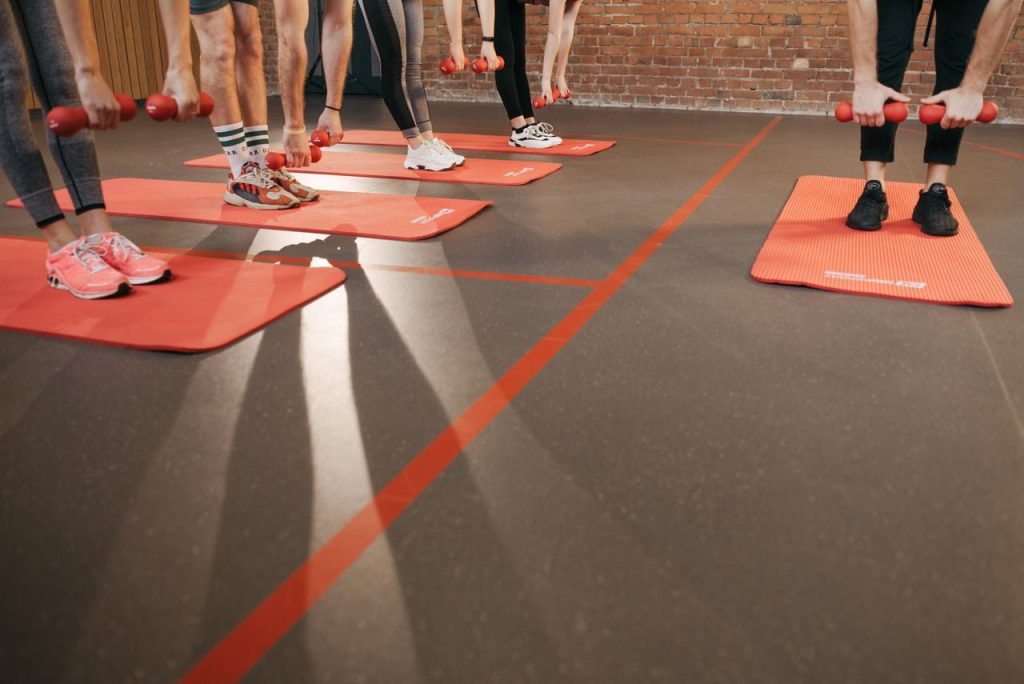
Consider what your role permits. A task involving supervision, equipment or safety responsibilities may need an agreed handover before you step away. Planning a break is compatible with doing the job responsibly; it is not permission to abandon a task because an app issued a reminder. You can ask about practical options without turning the conversation into a medical claim. A specific request about timing and coverage is often more useful than a broad statement that every person must follow the same pattern during work.
Make the transition easy
Prepare what helps you begin and return. You may need a clear route, appropriate footwear already in use or a place to leave work securely. Avoid an idea that creates a large preparation task for a very short pause. The easier transition is not necessarily the fastest movement; it is the one that fits without rushing or losing track of responsibilities. A modest familiar option can be more repeatable than an elaborate routine that only works when the whole day is unusually quiet.
If another person joins, agree expectations. A companion may enjoy a relaxed walk while you imagined something faster. Clarify rather than turn the break into a competition. Nobody needs to prove commitment by keeping up with a pace that does not suit them. The same applies when you are alone: a number on a device can be a note, but it should not override your situation or become a requirement to make every pause productive enough to display a satisfying result on a screen.
Notice what the break actually does
Afterwards, record a useful practical detail if you want: the route was accessible, the transition took more effort than expected or the timing interrupted a task. Keep conclusions modest. Feeling different on one occasion does not establish a medical cause or demonstrate that the method will work every day. Likewise, a break that did not feel refreshing is not a failed health intervention. You can adjust the conditions without diagnosing yourself or deciding that all short activity is pointless because one attempt was awkward.

If symptoms or a health concern affect what you can do, seek appropriate qualified advice. Do not use a break routine as a way to test pain tolerance or replace an existing care plan. Severe symptoms such as collapse, chest pain or major breathing difficulty need appropriate urgent medical help, not troubleshooting a desk exercise through comments. A general activity idea should stay within its role: practical planning for ordinary movement rather than a clinical assessment of whatever happens while you try it.
Keep the habit flexible
A useful pattern can have alternatives. If the route is unavailable, a different appropriate pause may work; if responsibilities prevent it, revisit the opportunity later. Missing one break does not create an exercise debt. Avoid compensating with an unsuitable burst of effort to satisfy a daily score. The plan should help you notice opportunities over time, not make the day a series of alerts whose purpose is to prove compliance regardless of context or the other needs competing for your attention.
Short activity breaks become practical when their purpose stays simple. They offer a change from a static period within a real day. You can choose an appropriate option, make the transition manageable and revise it from experience. There is no need to turn every pause into a prescribed workout or promise a health result. A flexible arrangement that you understand and can actually use is more helpful than a perfect schedule copied from a source that never considered your work, environment and individual circumstances.
Further reading: NHS: adult physical activity context.