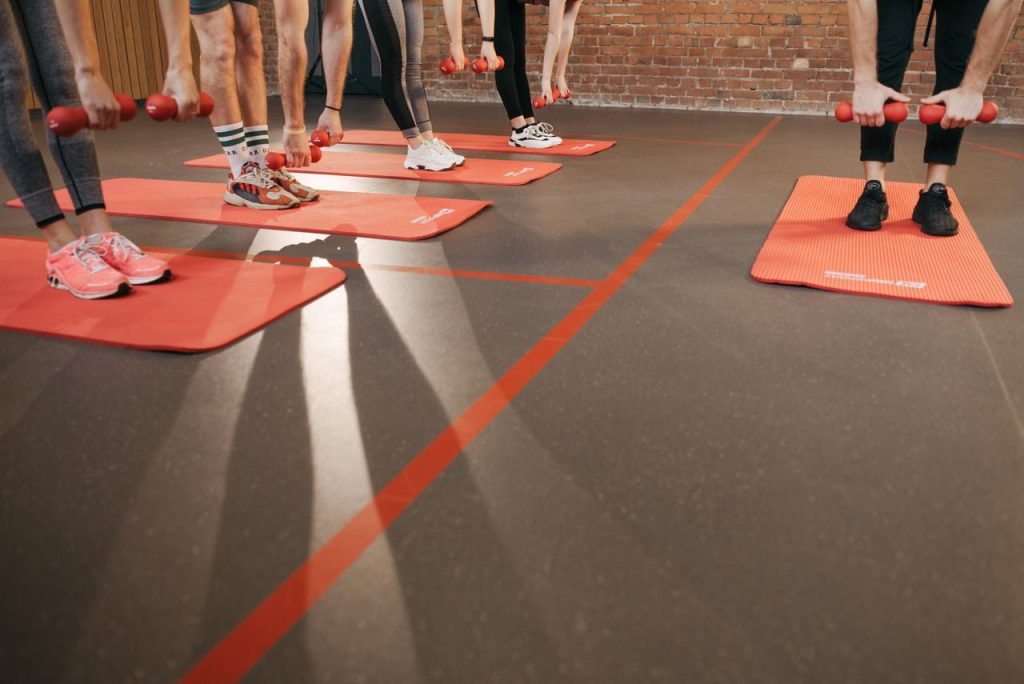
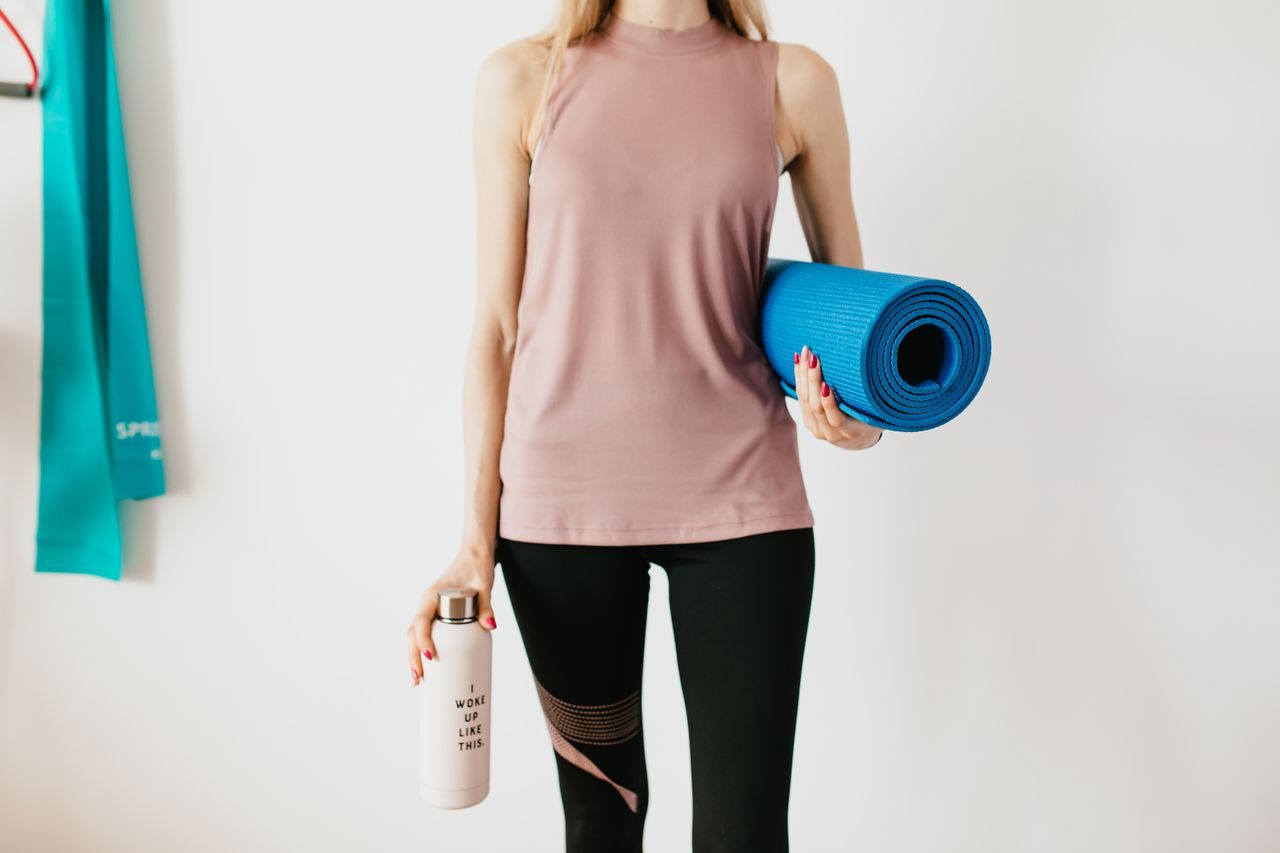
A solo session and a group setting offer different practical experiences, and the better choice can change with the activity and the day. Privacy, instruction, company and timetable all matter. Rather than treating the decision as a personality test, compare what each setting actually provides and what you need from this particular visit. You can also use both without choosing one permanent identity.
Start with the purpose of the session
Identify whether you want to learn an unfamiliar skill, enjoy company, use equipment independently or spend quiet time on an activity you already understand. Those aims suggest different kinds of support. A group with clear instruction may suit an introduction, while an independent visit may offer flexibility. Neither description guarantees the actual experience until the venue's arrangements are known.
Write down one or two features that matter most. If your work hours change, booking flexibility may outweigh the social atmosphere. If instructions are essential, the presence of suitable support may outweigh the freedom to arrive whenever you like. This keeps the comparison grounded in the decision at hand rather than in a broad claim that one format is better.

Find out what group instruction includes
Ask about the intended audience, class size, introduction and how questions are handled. Check whether an instructor can explain unfamiliar equipment before the session begins. A timetable label such as beginner may cover a wide range of assumptions. Understanding those assumptions helps you choose without expecting the group format alone to provide individual instruction or clinical advice.
Consider the sound, lighting, layout and pace as practical features. Ask whether there is a way to observe or attend an introduction if available. A group may be enjoyable while still containing elements that do not suit you. Naming the feature makes it easier to explore another session or setting than deciding you are simply not a group person.
Check the support available independently
A solo visit does not necessarily mean a venue with no staff. Find out when support is available, how introductions are booked and what to do if equipment is unfamiliar. If the setting is unstaffed at your intended time, consider whether you have the information and support you need. Access permission is not the same as knowing how to use everything present.
Plan practical communication and safety arrangements appropriate to the setting, particularly outside or away from familiar facilities. Know how to leave, contact help and identify your location. Independence can be enjoyable without becoming a requirement to manage every question alone. Using an explanation, a guide or professional advice where relevant remains compatible with an otherwise solo activity.

Compare the complete cost in time
Add travel, changing, waiting and booking administration to the advertised session length. A group may begin at an inconvenient hour but remove the need to plan the activity. A solo visit may be flexible yet involve waiting for equipment. Compare real arrangements rather than imagining an ideal version of one format against the most awkward version of the other.
Include money and commitment too. Check whether an introduction, guest visit or class is covered by the relevant membership. Save current terms instead of assuming that every booking works alike. A format can suit your preferences but be impractical at a particular venue; a different provider may change that comparison without requiring you to change what you enjoy.
Let the decision remain reversible
After trying an option, record the parts that worked and the parts that did not. Perhaps company was welcome but the room was noisy, or independence felt comfortable but an equipment explanation was missing. These are details to act on. A single visit does not need to establish a permanent conclusion about confidence, motivation or the kind of person you are.
Choose the next arrangement from that evidence and your current circumstances. You might combine a guided introduction with independent visits, attend a class occasionally or keep different activities in different settings. If anxiety or another health concern affects daily life, seek appropriate support rather than expecting a format choice to be a treatment. The useful outcome is an informed, flexible plan.