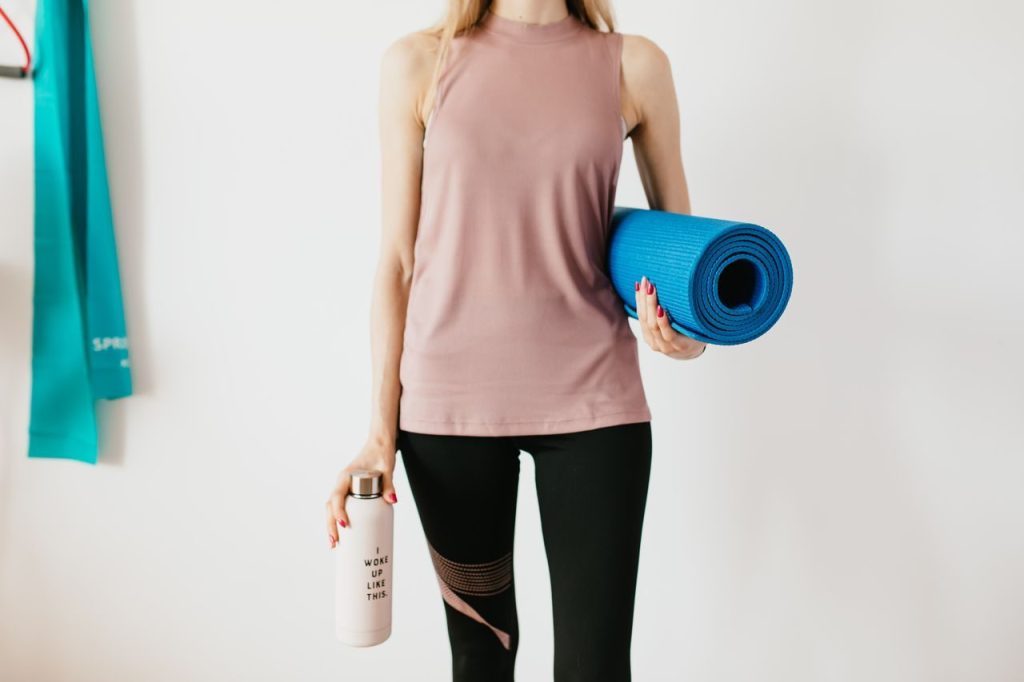

Home fitness equipment often arrives as a collection of useful objects and gradually becomes part of the floor plan. A mat remains beside the sofa, weights sit near a door and a cable stretches across the route to a socket. Planning storage and shared access before this happens can prevent everyday friction. Start with the routes people use, then decide where equipment belongs.
Draw the routes that need to stay open
Walk through the room as it is normally used. Note doors, stairs, exits, storage cupboards and the paths between them. Include the needs of children, visitors and anyone using a mobility aid. A corner that appears unused in a photograph may be the space somebody needs to turn, reach a shelf or move through the room comfortably.
Mark both the stored and operating positions of equipment. A folded machine may occupy little space while its unfolded form blocks a doorway. Consider where a person stands, adjusts or gets on and off, following the manufacturer's required clearances. The usable space is not just the rectangle occupied by the object when nobody is using it.
Give each loose item a stable home
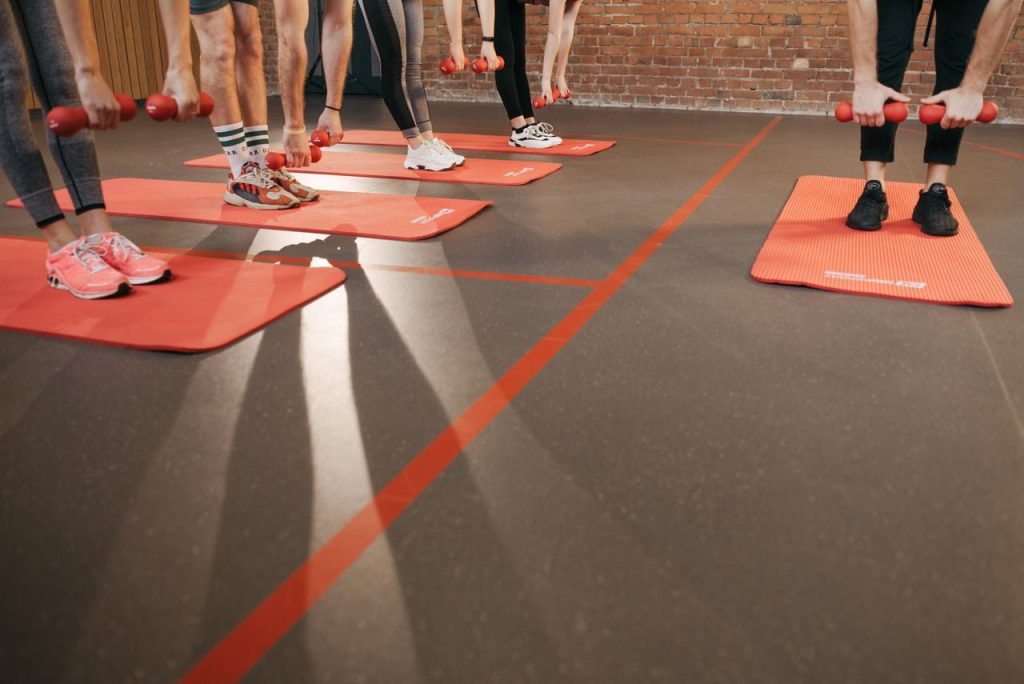
Group items by the storage method their instructions support. Keep small accessories in a suitable container and prevent loose cables from spilling into a route. Use storage designed for the weight and shape involved, rather than balancing heavy items on a convenient shelf. A tidy appearance is not enough if removing one object could dislodge another.
Decide where wet clothing, drink containers and cleaning materials go as well. These often create clutter around an otherwise organised machine. Keep liquids away from electrical equipment and follow the relevant product instructions. A complete storage plan includes the ordinary things used alongside activity, not only the items that appeared in the original equipment order.
Consider children and other household users
Moving parts, cords and small accessories can attract attention when an adult is doing something else. Follow the manufacturer's access and storage instructions, and arrange the space so children cannot casually explore equipment unattended. Supervision and a clear boundary remain important; leaving an item switched off does not explain every mechanical or entanglement risk it may present.
Pets and visitors also change how a room is used. A cable that one person remembers may be unfamiliar to somebody else. Avoid requiring everybody to step over equipment as part of an ordinary household route. The simplest arrangement is often to keep the path physically clear rather than relying on repeated warnings or expecting others to navigate around a training setup.

Check the room before moving heavy equipment
Do not assume that any household floor, wall or ceiling can support a heavy machine or a storage rack. Consult the equipment documentation and obtain appropriate building or installation advice where needed. Avoid improvised mounts or structural alterations. The fact that an item fits through the door does not establish that the intended installation is suitable.
Plan delivery and relocation too. Measure doorways, turning spaces and the route from the entrance before arranging transport. Ask the supplier what assembly and positioning involve. Moving a heavy object out of a walkway should not create another hazard through improvised lifting or incomplete reassembly. If a change requires expertise, organise that support rather than guessing.
Make clearing away part of the arrangement
Agree who returns equipment to storage and when. A shared room should not remain unavailable indefinitely because a session may happen later. Use a simple end-of-session check: loose objects stored, routes open and equipment left according to its instructions. The checklist can be brief enough to complete without turning tidying into a separate household project.
Review the space after ordinary use rather than only after a thorough clean. If an item repeatedly ends up in a doorway, its storage arrangement may be impractical. Move the storage, reduce the equipment or choose a different place to exercise. A useful home setup supports the activity while allowing everyone else to move through and use the home normally.