Start with the question behind the number
Hydration advice often arrives as a fixed number, a bottle target or a routine copied from somebody else. Before following it, ask what situation it describes. Activity, environment and individual health can matter. A general adult guideline is not automatically a personal instruction for every condition or kind of exercise. If you have specific health advice, including a fluid restriction, keep that professional context in place rather than override it with a general article or a target displayed by an application.
The practical aim is understanding access and relevant guidance, not proving discipline through forced drinking. NHS hydration information provides general context, while sports-nutrition questions can require more individual detail. Write what you want to clarify: ordinary drink access, a particular activity or a concern about health. That helps separate a manageable everyday task from a question that needs an appropriate qualified professional rather than another universal rule confidently repeated by someone whose conditions may be very different from your own.
Map where drinks are actually available
Look at the day and identify reliable access at home, work and the activity setting. A bottle can be useful, but only if you understand its care and can use it appropriately. Check where it can be stored without obstructing shared areas. You do not need an expensive container or a large collection of marked targets to begin. A simple arrangement that fits the route may be more useful than equipment bought because it makes a particular daily total look compulsory.
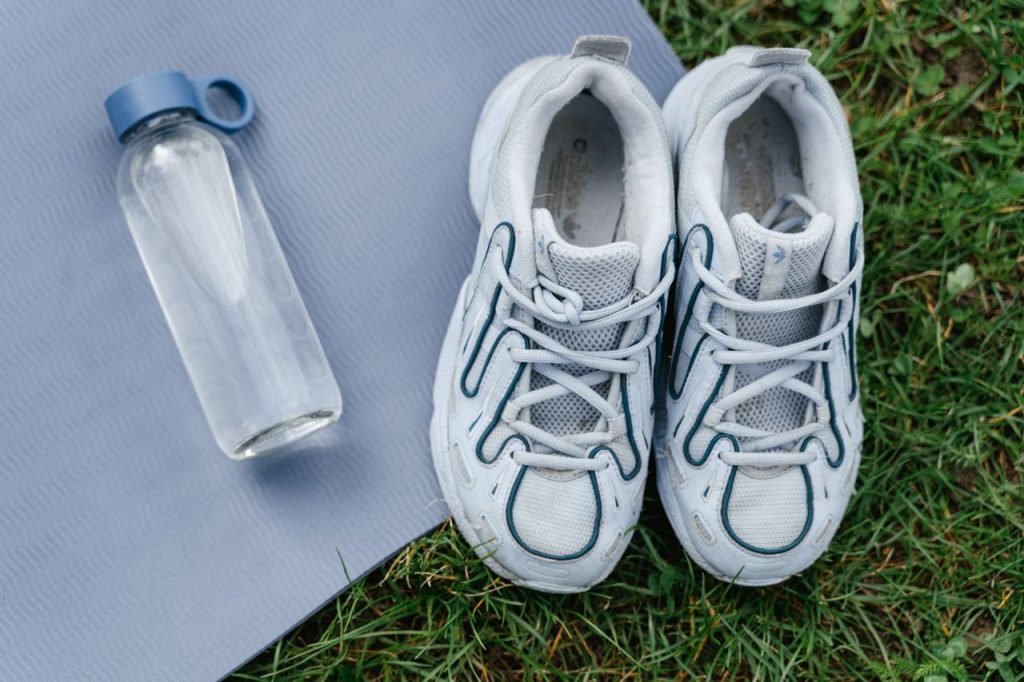
If the activity takes place elsewhere, check facilities and conditions rather than assume a refill point exists. Keep this as practical information, not a reason to prescribe a fixed amount for every outing. An event organiser may provide relevant instructions, and your own qualified guidance may also matter. Distinguish those sources. A friend's experience can suggest a question about access, but it does not establish the appropriate intake or health response for another person merely because both are attending the same session.
Read drink labels in context
Sports branding does not make every drink necessary for ordinary activity. Check the actual ingredients, portion basis and intended use. A label can describe a product without telling you that you personally require it. Avoid choosing solely from a performance claim or an assumption that water is never sufficient once exercise is involved. The point is to understand what you are considering and which specific question it would answer, rather than treat a colourful bottle or technical word as proof of an individual nutrition need.
Keep any professional advice distinct from a marketing promise. Ask an appropriate healthcare professional about electrolyte replacement, supplement use or concerns about dehydration in your own circumstances. It also does not diagnose a problem from thirst, a photograph or a single observation. If symptoms or health concerns arise, use the appropriate qualified route. A general label comparison can support a question, but it cannot establish what caused a symptom or certify that a product will resolve it safely for your situation and the other factors relevant to your health.
Notice the conditions that affect practical drink access
Consider weather, venue and the practical demands of the activity. Those observations help explain the context to a qualified source when advice is needed. Do not convert them into an improvised equation that guarantees the same intake for every temperature and session. Precision is not the same as accuracy. A number derived from uncertain assumptions may look reassuring while omitting the individual health information that would be needed to interpret it and decide whether it applies to you at all.
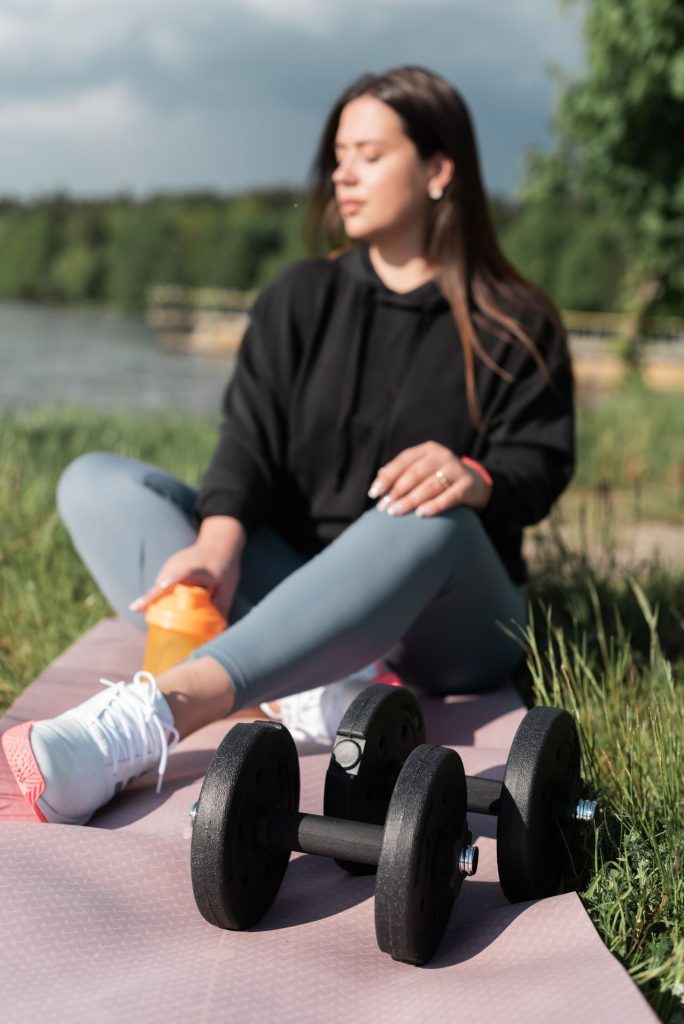
If using a tracker, keep its estimate in perspective. A reminder can support a habit you have appropriately chosen, but it should not become an instruction to ignore discomfort or existing guidance in order to complete a display. Do not make an arbitrary target a competition with another person. You can record a practical issue such as unavailable access or a question about a product without treating every sip as data required to prove that the day was well managed or that the activity was sufficiently serious.
Ask a focused question when needed
Prepare the actual activity, relevant conditions, existing advice and what you do not understand. A clear description helps a qualified professional distinguish an ordinary planning issue from a health question. You do not need to arrive with a self-made hydration programme. Nor should you test symptoms by deliberately withholding or forcing fluid to create evidence. Seek appropriate urgent medical help for severe symptoms rather than rely on a drink product or wait for an online reply to explain what is happening during an activity.
Useful hydration planning can be modest: know where drinks are available, understand the products you consider and preserve individual advice. It does not require copying somebody else's litres, bottle markings or performance routine. General information is most helpful when it makes your question clearer rather than pretending to answer every personal circumstance. Keep access practical and decisions contextual, so the aim remains appropriate care within real life rather than perfect compliance with a number that never described your situation in the first place.
Further reading: NHS: water, drinks and hydration context.