Adults considering an introduction to strength training frequently need to decide how long individual sessions should last and how those durations fit within existing daily patterns. Comparing different lengths supports decisions that remain practical rather than assuming a single format works across all circumstances. Population guidance issued by the UK Chief Medical Officers sets out broad recommendations for adult activity levels without prescribing exact session durations or sequences for every individual situation.
Practical planning therefore begins with an examination of personal time availability, observed energy variation across the day and the physical space that can be used without disrupting other household functions. The sections below set out factors to weigh when choosing between shorter and longer sessions, including how to review energy records, equipment footprints, movement options and label information on everyday foods. Each comparison draws on general descriptions rather than individual targets.
Comparing short and longer session lengths
Shorter sessions lasting approximately twenty to thirty minutes permit practice of one or two movement patterns and can often be placed into existing gaps between work tasks or household duties. This format reduces the requirement to rearrange other responsibilities and limits the time spent preparing and clearing any equipment. Longer sessions of forty-five to sixty minutes allow alternation between more patterns or additional repetitions of each movement, yet they demand a clearer block of uninterrupted time that may conflict with variable daily demands. The choice therefore rests on an assessment of remaining time after fixed commitments rather than on any single recommended length. Adults can list typical weekday and weekend schedules to identify which days offer shorter versus longer feasible windows before selecting one approach over the other.
Judging suitability involves checking whether a chosen length can be maintained across several weeks without repeated rescheduling. Shorter sessions may suit periods when responsibilities change frequently, while longer sessions may align better with more predictable stretches of the week. Common errors include assuming that extending every session automatically improves outcomes or that very brief sessions cannot contribute to overall activity levels. Both lengths remain compatible with the general adult activity guidance from UK authorities, which notes that activity can be accumulated in varied patterns. Reviewing a simple diary of actual time used after two or three weeks provides a concrete basis for adjusting the initial choice.
Matching length to typical daily energy
Many adults observe steadier concentration and physical readiness at certain times of day while experiencing lower reserves at others. Recording energy levels for several consecutive days without any equipment involved can reveal whether a short morning block or a moderate evening block corresponds more closely with natural variation. The record need only note broad categories such as steady, variable or low at set intervals rather than precise measurements. Neither pattern is presented as inherently preferable; the comparison simply indicates that session length should sit inside existing energy windows instead of competing with them. If energy tends to drop sharply after midday meetings, for example, an early shorter session may fit more readily than a longer one scheduled later.
Applicable conditions include consistency of the observed pattern over at least one full week and allowance for occasional disruptions such as travel or illness. A common error is to treat a single day’s observation as a fixed rule and then become discouraged when the pattern shifts. Re-checking the record every few weeks helps maintain alignment when routines change. The method remains observational and does not convert population guidance into a mandatory workload; it simply supplies one practical way to compare options before beginning.
Space and equipment implications of different lengths
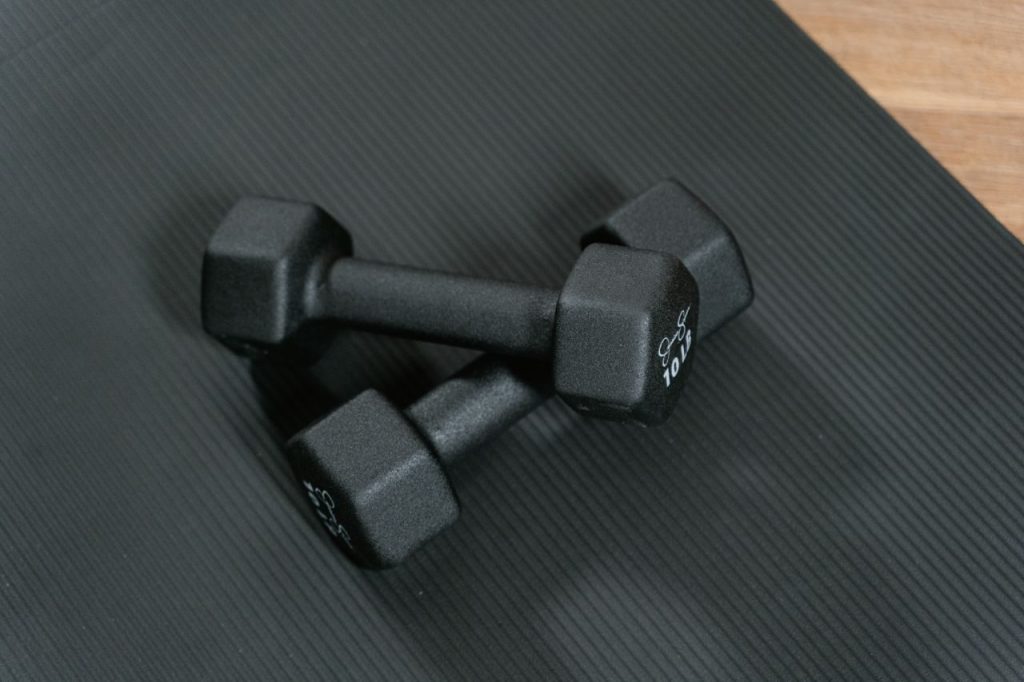
A short session using only bodyweight movements requires minimal floor area and no additional storage. Extending the session to include light equipment such as resistance bands or a single kettlebell increases both the footprint needed and the minutes spent setting up and putting items away. Published specifications for home racks or benches list overall dimensions, weight capacity and required clearance; these figures can be compared against the actual space available before deciding whether a longer session justifies the added equipment. Checking manufacturer instructions for any item under consideration helps avoid underestimating the area needed for safe movement around the apparatus.
Judgment criteria include verifying that the chosen equipment leaves at least the clearance distances stated in the instructions and confirming that flooring can support the expected loads without modification. A frequent mistake is to select equipment based on advertised capacity without first measuring the room layout against those specifications. When space is shared, longer sessions may require negotiating temporary exclusive use of an area, whereas shorter sessions can often use corners or hallways already kept clear. The comparison therefore links session length directly to measurable spatial constraints rather than to abstract preferences.
Integrating sessions with household responsibilities
Household chores, caring duties and work deadlines create irregular gaps that differ from one week to the next. A twenty-minute session can sometimes be placed before or after these tasks, whereas a fifty-minute session may require negotiating protected time with other household members. Listing fixed weekly commitments on paper or in a basic diary makes visible which days offer shorter versus longer feasible windows and supports realistic planning rather than an idealised timetable. The process also reveals whether certain responsibilities can be shifted slightly to accommodate a preferred length on particular days.
Applicable conditions include confirming that any rearranged tasks do not create new conflicts elsewhere and allowing buffer time for unexpected interruptions. Common errors involve underestimating the cumulative effect of small daily duties or overestimating available time on days that appear free on a calendar. Re-examining the list at the start of each week helps keep the comparison current when responsibilities evolve. Both shorter and longer formats can be adjusted without implying that one is universally superior for every household situation.
Reviewing movement choices within each length
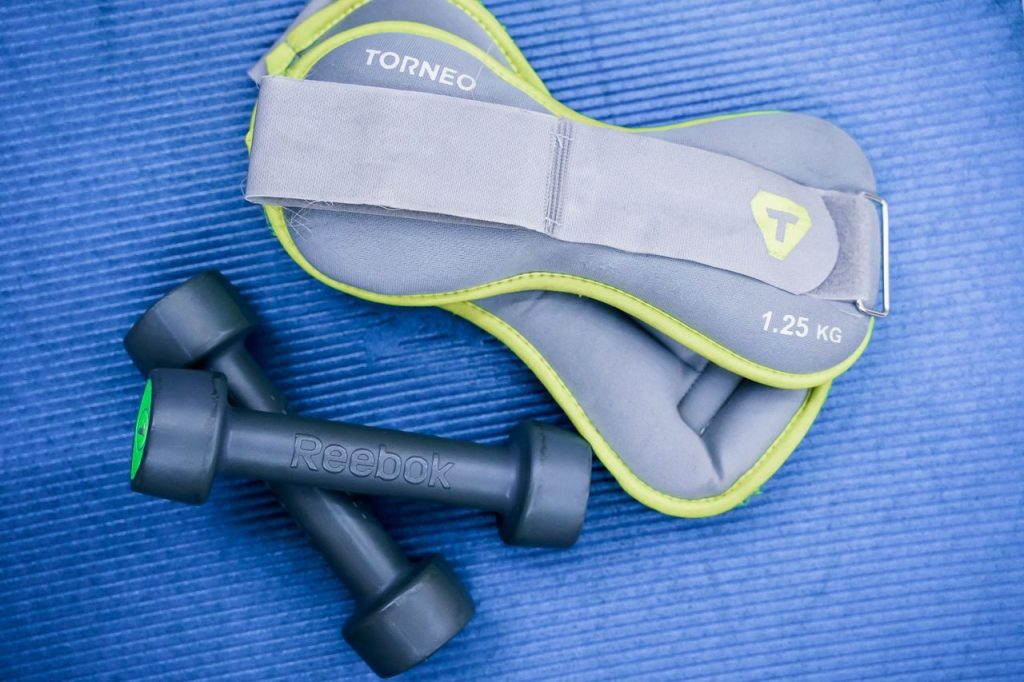
Short sessions lend themselves to repeating one or two patterns such as squats or presses performed with controlled technique. Longer sessions permit alternation between upper-body and lower-body patterns or inclusion of both pushing and pulling movements within the same period. Descriptions in equipment instructions or general movement guides define terms such as range of motion and stance; these definitions can be read before adding any load to ensure the chosen patterns match the available time and space. Comparing the number of distinct movements that can be completed comfortably within each length supplies a practical basis for deciding which format to adopt first.
Judgment criteria include confirming that each movement can be performed through the published range without discomfort and that transitions between movements do not consume disproportionate time. A common error is to attempt too many different patterns in a short session, resulting in rushed execution, or to repeat the same pattern excessively in a longer session without variation. Reviewing the movement definitions alongside the equipment manual before assembly reduces the likelihood of mismatched expectations. The comparison stays at the level of observable time and space rather than prescriptive sequences.
Adjusting frequency when length changes
Selecting shorter sessions may allow more frequent practice across the week because each block demands less continuous time. Longer sessions may suit fewer but more comprehensive days when uninterrupted blocks are easier to protect. General adult activity guidance from UK authorities notes that activity can be accumulated in different patterns; the comparison here is between these two approaches rather than a fixed recommendation. Recording the actual number of sessions completed over a two-week period provides data for deciding whether to increase or decrease frequency when energy patterns or commitments shift.
Applicable conditions include maintaining at least one rest day between sessions that load the same movement patterns and monitoring whether overall weekly activity remains consistent with broad population targets. Common errors include attempting to compensate for missed longer sessions by adding extra short ones without considering recovery or assuming that frequency alone determines suitability. Both options remain compatible with rest days, and the balance can be reviewed periodically without converting guidance into mandatory starting workloads.
Checking food labels around different session timings
Everyday food labels display carbohydrate and protein figures per serving and per 100 g. Comparing two similar foods using these figures helps assess whether a meal or snack before a shorter session needs to differ from one before a longer session in terms of portion size or timing. The comparison uses only the printed values and does not extend to individual nutrient targets. Checking labels on ordinary items such as bread, yoghurt or fruit before purchasing supports consistent choices that align with the chosen session length.
Judgment criteria include reading both the per-serving and per-100 g columns to avoid misinterpreting portion differences and noting any storage or preparation requirements that affect timing. A frequent mistake is to focus solely on one column without cross-checking the other, leading to unintended differences in actual intake. The method remains practical food education and does not involve restrictive targets or medical advice. Adjustments can be made as session lengths change without implying any single label reading fits every condition.
Planning an accessible start therefore involves weighing session length against observed energy patterns, available space, household demands and label details on everyday foods. Adjustments remain possible as routines evolve, keeping the process practical for a general adult audience while respecting the boundaries of population-level guidance.