Queues form part of many ordinary errands, from post offices to supermarket checkouts and ticket counters. The time spent standing offers a chance to adjust how weight is distributed without turning the wait into a structured activity. Choices here depend on the surface underfoot, the expected duration and what items are being carried.
Context matters because not every queue allows the same freedom. Crowded indoor spaces may limit side steps, while outdoor lines expose people to wind or uneven paving. The aim is to notice available options rather than follow a fixed routine.
Queue surfaces and their effect on balance
Hard flooring transmits impact differently from carpet or rubber matting. On concrete or tile, small shifts of weight from heel to forefoot can reduce prolonged pressure on one area. Mats or carpet allow slightly more give, so the same shift may feel less noticeable yet still change loading through the feet.
Check the immediate patch of floor before committing to a stance. Sloped or worn sections near counters often tilt forward, encouraging extra forward lean. Adjusting the feet to sit more squarely on the flatter part of the surface is one direct response to that feature.
Carrying items and their influence on posture
Bags or baskets change the centre of mass. Holding a load in one hand tends to pull the shoulder on that side downward, so occasional transfer to the opposite hand or to both hands in front of the body alters the demand on the upper back. The choice depends on handle length and bag weight rather than any prescribed sequence.
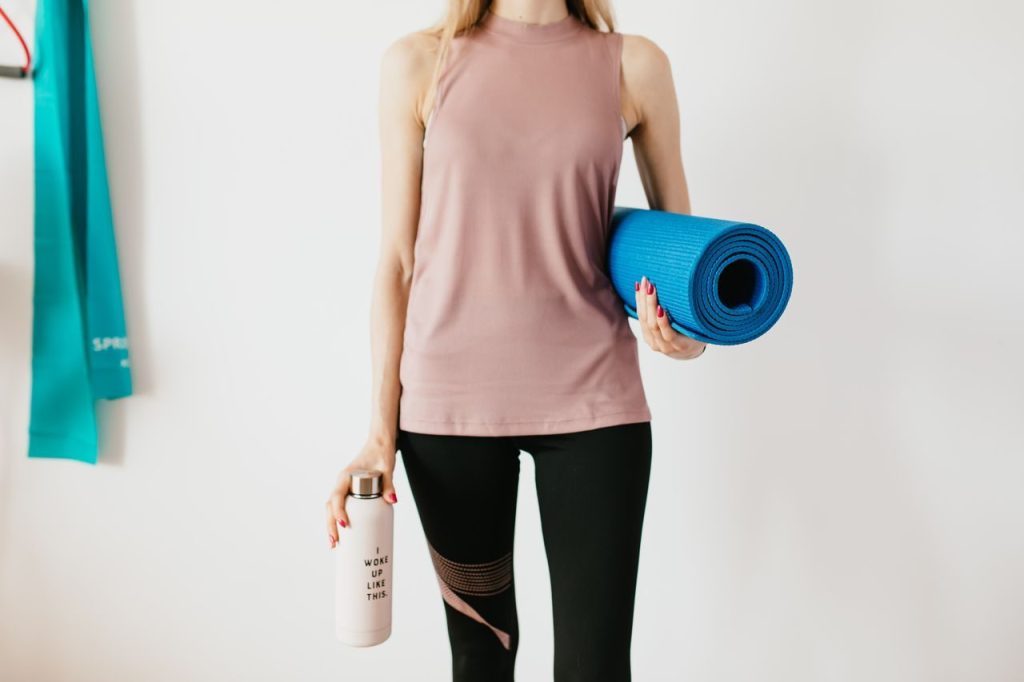
When a trolley or basket on wheels is available, the handle height determines whether the arms stay near the sides or reach forward. A higher handle usually permits a taller stance with less forward bend at the hips. Lower handles may require a modest knee bend to keep the trunk upright.
Duration estimates and micro-adjustments
Short queues of a few minutes rarely justify deliberate changes beyond occasional foot repositioning. Longer waits, such as at busy counters or during peak hours, allow more frequent small movements. These can include rocking gently between the feet or rotating the pelvis slightly without lifting the heels.
Time of day also affects options. Morning queues may move faster because fewer people are present, while late afternoon lines often lengthen. Matching the size of adjustments to the observed pace prevents unnecessary effort when the line is about to advance.
Space constraints in crowded lines
Proximity to the person ahead limits lateral movement. In narrow indoor queues, forward and backward shifts within the footprint of the feet remain possible even when side steps are not. Outdoor queues sometimes permit a single step sideways if the pavement is wide enough and the line is not strictly single file.
Barriers or rope stanchions further restrict options. When these are present, the available space is usually marked clearly, so the practical response is to accept the narrower stance rather than attempt movements that would brush against the barrier.
Footwear and its role in comfort
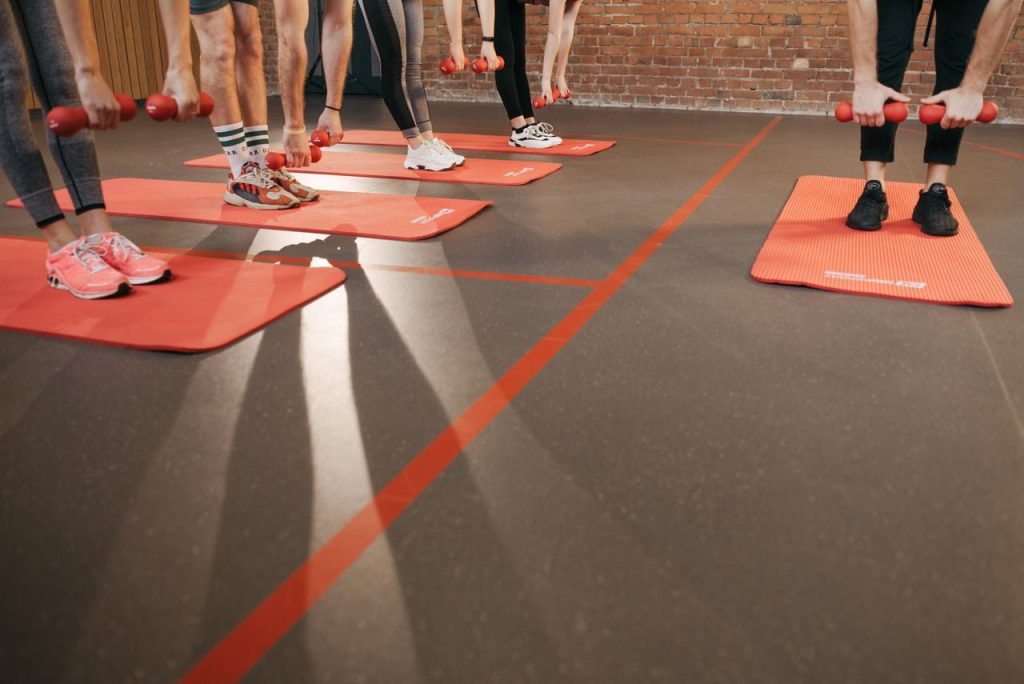
Shoes with firmer soles transmit floor texture more directly, which can make small weight transfers easier to sense. Softer soles compress under load, so the same transfer may require slightly larger movement to produce a comparable change in pressure. Neither type is universally better; the difference lies in how quickly feedback reaches the person standing.
Heels or raised platforms alter the angle at the ankle. When these are worn, a modest forward shift of the torso may be needed to keep balance over the mid-foot rather than over the toes. The adjustment is made once and then left unless the line moves significantly.
Observing the immediate surroundings
Lighting and temperature influence how long a person is willing to remain in one position. Bright overhead lights or cold draughts from doors can prompt earlier shifts simply to change the sensory input. These environmental cues are part of the context that shapes movement choices.
Signs or displays near the queue sometimes invite reading, which brings the head forward. Returning the head to a neutral position over the shoulders after finishing the text is a small reversal that can be repeated as needed without drawing attention.
Practical questions before joining a line
- How long is the visible queue and does it appear to be moving at a steady rate?
- Is the floor level or does it slope toward the counter?
- Are items being carried by hand or placed in a trolley?
- Does the space allow side-to-side adjustment or only front-to-back shifts?
Answers to these questions guide the scale of any position changes rather than prescribing exact movements.
Queues at different venues share the same basic constraints of time, space and load, yet each setting presents its own combination. Noticing those combinations supports movement decisions that fit the actual circumstances rather than a general rule.