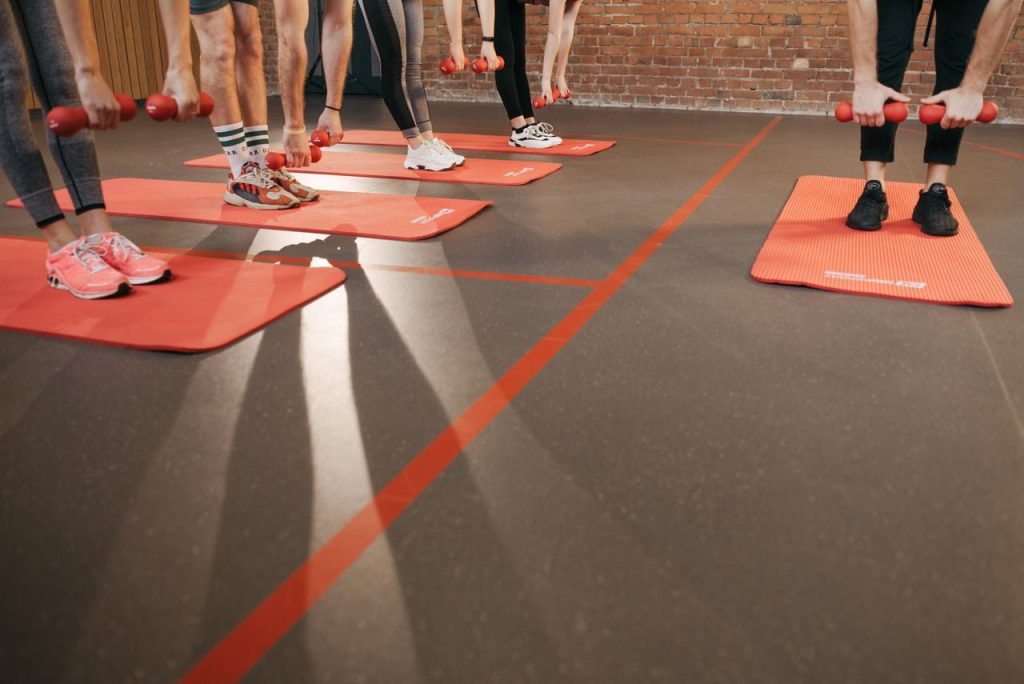
Physical activity is a broad category, while a useful personal plan is a specific arrangement. Confusing the two can create unnecessary rules: only a formal class counts, every household task is a workout, or any activity listed in a guide must suit everyone today. A clearer approach separates the general meaning of movement from the decisions about setting, effort and individual circumstances.
Understand the broad category
The World Health Organization includes movement during leisure, travel, work and domestic life within physical activity. This means the subject extends beyond gyms and sports bookings. Walking to a destination, wheeling, dancing and many other forms of movement can belong in the conversation. The setting alone does not decide whether an activity is relevant to daily life.
That broad definition does not make every task interchangeable. Time, effort and the demands of an activity vary. Carrying an item across a room and spending time on a brisk outing describe different experiences. Acknowledging ordinary movement is useful; assigning it the exact meaning of a different activity without considering what happened is less informative.
Separate the activity name from intensity
The same named activity can involve different levels of effort. A relaxed cycle on a flat route and a demanding ride on hills share a label but not necessarily an intensity. NHS adult guidance describes moderate effort partly through breathing and the ability to talk, illustrating why a name or a device category alone cannot describe every session.

These general descriptions help explain terminology; they do not settle individual suitability. Someone with a relevant health condition, a recent change in circumstances or concerns about starting needs advice appropriate to that situation. Copying another person's pace because the activity appears in a public guide skips the question of what is manageable and appropriate for the individual.
Notice the activity already in your day
Make a descriptive list of journeys, household tasks and planned sessions over an ordinary day. Include the circumstances rather than giving every entry a score. This can show where movement already occurs and where a routine is more static. It may also reveal practical strain or responsibilities that are invisible in a diary containing only gym appointments.
Keep work and caring demands in view. A physically demanding day does not automatically become leisure simply because movement is involved. Someone may value a quiet evening after it, while another person wants a different kind of activity. A useful record helps understand the whole day rather than using the broad definition to insist that every available hour must contain more movement.
Choose what fits the present situation
Consider available time, access, interest and the environment before choosing an activity. A swimming session may appeal but be impractical without transport; a nearby class may fit the diary but not your preferences. Write the actual barrier and look for an option that addresses it. A manageable choice is more concrete than a general intention to be more active.
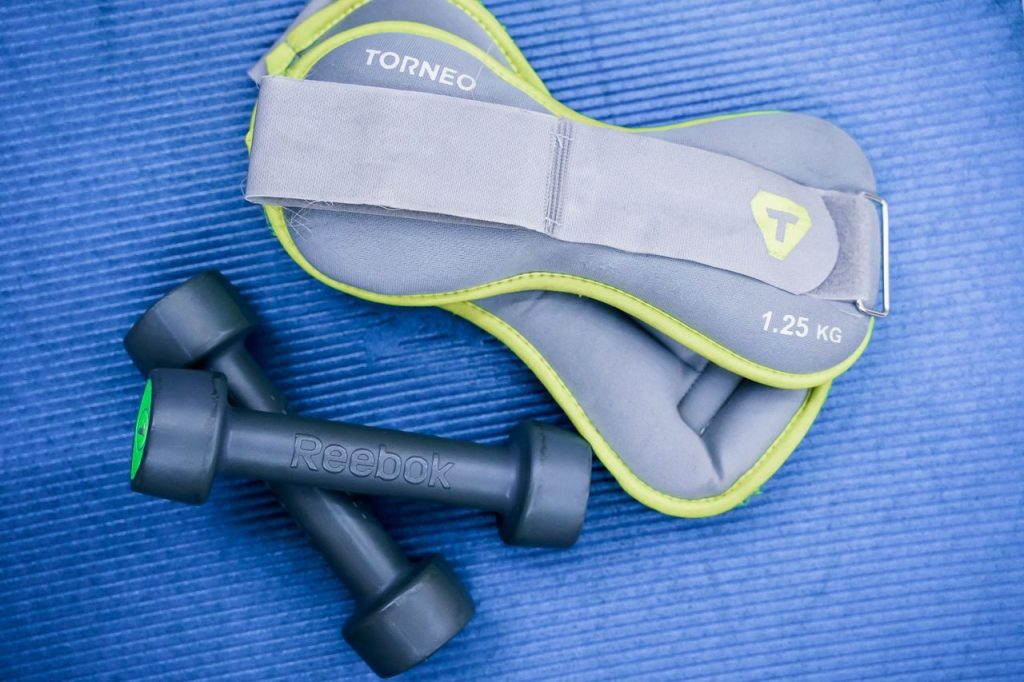
Leave room for variation. Weather, work and household responsibilities can change what fits from one day to another. You can review the arrangement without treating the change as proof that the original plan was worthless. Where health concerns are involved, keep professional advice separate from scheduling preferences and do not use an activity log as a substitute for assessment.
Use guidance as context, not a competition
Population recommendations describe broad patterns intended to support health. They are useful background, but they are not a leaderboard or a complete personal programme. Read the intended age group and circumstances before applying a statement. Use general guidance to understand the concepts, while choosing today’s activity around your circumstances and any relevant individual advice.
End with a practical question: what option is suitable, accessible and welcome in the time you have? The answer might involve a formal session, ordinary travel or reconsidering the plan. Broadening the understanding of activity can create choices. It should not replace one narrow rule about gym attendance with another rule that every task must be measured or made harder.
Further reading: WHO: the scope of physical activity.