Many people begin strength work by focusing on numbers for load or repetitions, yet the foundation lies in understanding what equipment descriptions actually state and what movement terms precisely mean. Equipment labels often list capacity figures, footprint measurements and assembly requirements that set practical limits before any session starts. Movement language, such as distinctions between a hinge, squat or press pattern, describes body positions and joint actions rather than performance targets. Reading these elements first reduces the chance of mismatched expectations when equipment arrives or when a programme outline is followed.
Clear interpretation also helps when space at home is fixed or when instructions refer to general adult activity guidance from public health sources. The emphasis stays on matching available tools to defined actions instead of assuming every item suits every description. This approach keeps planning grounded in the details supplied by manufacturers and programme writers.
Examining published capacity notes on racks and benches
Capacity notes on a rack or bench typically include maximum load ratings for the uprights, cross-members and any attachments. These figures represent static or dynamic limits tested under controlled conditions by the maker, not guarantees for every user scenario. Footprint dimensions indicate the floor area required when the equipment is fully assembled and in use, including space for safe entry and exit from positions. Checking these details against the room layout prevents later adjustments that could compromise stability.
Coating options such as powder coat or zinc plating affect corrosion resistance and surface grip, yet they do not alter the stated load ratings. Maintenance instructions usually cover periodic checks for weld integrity and bolt torque. When reviewing a manual, note any warnings about uneven floors or wall anchoring requirements, as these form part of the safe operating envelope.
Defining movement terms with precision
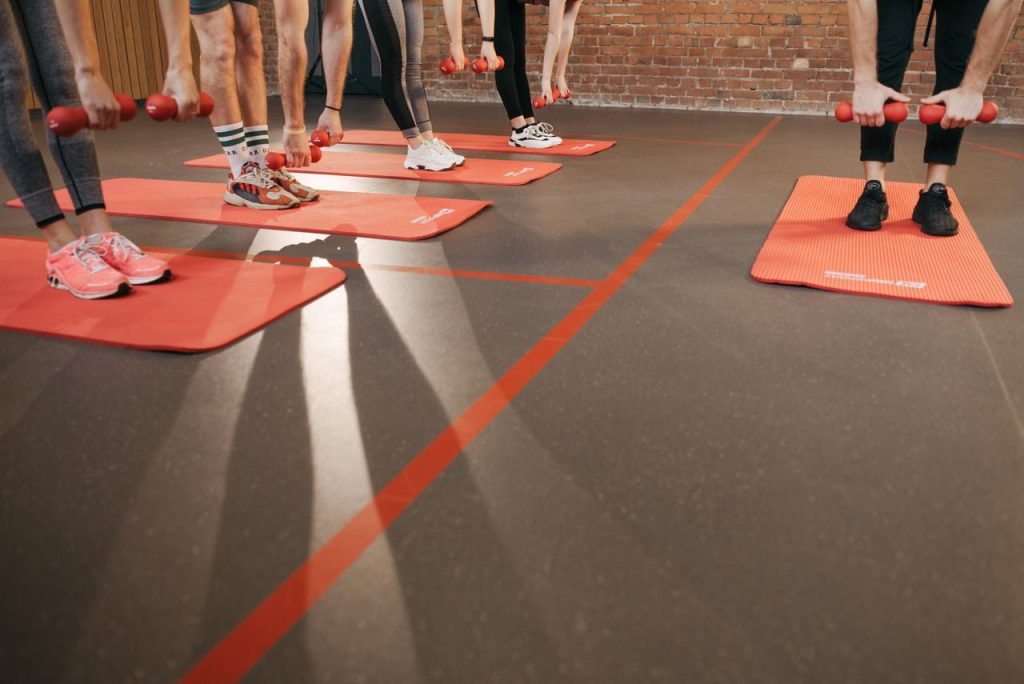
A squat pattern describes knee and hip flexion with an upright torso orientation, while a hinge pattern focuses on hip flexion with relatively straight knees. A press involves overhead or horizontal pushing actions with scapular movement. These descriptions refer to joint sequencing and posture rather than speed or load. Programme texts may use the same word differently, so comparing the accompanying diagrams or cue lists clarifies intent.
Terms such as concentric and eccentric phases indicate the direction of muscle action during a repetition. Rest intervals refer to the time between sets, not recovery between sessions. When a description mentions bodyweight only, it signals no external load is required for that movement. Matching these definitions to equipment features, such as bar height on a rack, keeps the two areas aligned.
Common mismatches between labels and movement descriptions
One frequent issue arises when a rack’s stated capacity is treated as a target rather than an upper limit. Another occurs when movement instructions assume a particular grip width that the equipment handles cannot accommodate. Footprint notes sometimes omit the extra clearance needed for full range in a hinge or squat, leading to restricted patterns. Comparing the manual’s diagrams with the programme’s movement cues helps identify these gaps before assembly.
Coating descriptions may emphasise easy cleaning, yet this does not address whether the surface affects hand placement during certain grips. Checking both sources side by side reveals whether the equipment supports the described positions without modification.

Steps for aligning specifications with movement language
First, list the key capacity and dimension figures from the equipment documentation. Second, extract the movement terms from the programme outline and note their definitions. Third, map each term to the equipment features required, such as adjustable heights or attachment points. Fourth, verify that the available space accommodates the full movement arc described. Fifth, record any remaining questions for the supplier before purchase or assembly.
This sequence keeps decisions based on documented details rather than assumptions about compatibility.
Boundaries for home use and general guidance
Adult physical activity recommendations from sources such as the UK Chief Medical Officers provide broad ranges for strength activity frequency, yet they do not prescribe specific loads or equipment types. Equipment ratings apply to the item as supplied and may require professional installation for anchoring. Movement definitions remain consistent across settings, but individual joint mobility and prior experience influence how closely a pattern can be followed. When space or equipment limits full expression of a movement, alternatives within the same term category can be considered without altering the core description.
Questions to raise with suppliers or manual authors
Ask whether capacity ratings include dynamic forces or apply only to static holds. Request clarification on any movement term that lacks an accompanying illustration. Confirm whether replacement parts affect original load ratings. Inquire about the recommended floor surface for the stated footprint. These questions focus on the information needed to match equipment to movement language rather than on performance outcomes.
Reviewing documentation before progressing further
Once capacity notes and movement definitions are aligned, the next stage involves confirming that assembly instructions match the intended positions. Periodic checks of bolts and surfaces maintain the conditions under which the original ratings were given. Keeping a simple record of these checks alongside the programme’s term list supports consistent interpretation over time. This methodical review stays within the scope of initial understanding rather than extending to progression targets.