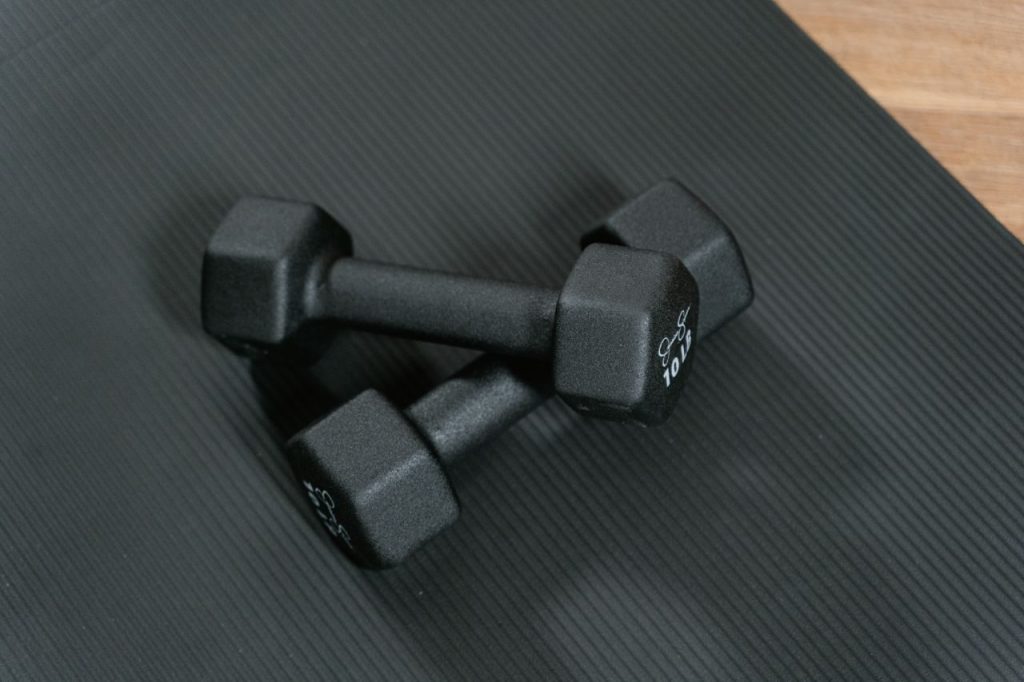

Many adults begin strength training at home with a small collection of items and then find the equipment gradually drifts out of regular use. A short review process started in the first weeks can reduce the chance of this happening by keeping the setup matched to the space and the time actually available.
The focus here is on observable checks rather than performance targets. Population guidance from sources such as the UK Chief Medical Officers’ physical activity guidelines notes that adults should aim for activities that strengthen muscles on at least two days each week, yet the same document makes clear that individual circumstances vary and no single starting pattern applies to everyone.
Reading capacity notes and assembly instructions before repeated use
Equipment sold for home use carries printed load limits and assembly sequences. Reading these notes again after the first few sessions helps confirm that the item still matches the movements planned. If a manual lists a maximum user weight or a required floor area, noting the figures once prevents later mismatches when the arrangement of the room changes.
Some items require periodic tightening of bolts or inspection of cables. A written list of these points, kept near the equipment, turns the task into a brief weekly or fortnightly step rather than an occasional surprise.
Checking floor surface and clearance each time the layout changes
Home spaces often serve several purposes, so furniture or rugs may be moved between sessions. A quick visual check for trip hazards or reduced floor area keeps the working space consistent. Where carpet or hard flooring shows wear patterns after repeated sessions, marking the usual footprint with tape can speed up the same check on later days.

Door swings, radiator positions and low shelves are fixed features that affect movement patterns. Recording these once on a simple diagram avoids repeated trial and error when the room is rearranged for other household needs.
Matching session length to the longest uninterrupted period available
Daily routines differ. Some adults have a reliable twenty-minute window before work; others have shorter fragments scattered through the day. Writing down the longest stretch that usually remains free helps decide whether a session needs to be split or kept as one block. This record can be updated monthly without requiring detailed logging of every repetition.
Irregular weeks, such as those containing travel or visitors, are easier to accommodate when the basic time estimate already exists. The same note also shows whether equipment needs to be stored in a way that allows quick setup and reset.
Reviewing stored items for signs of wear before each month begins
Resistance bands, mats and small weights can develop cracks or flattened areas after repeated use. A monthly glance at visible surfaces takes only a minute and identifies items that may need replacement before they affect a session. Adjustable dumbbells or benches sometimes have locking mechanisms that benefit from the same brief inspection.
Where an item is shared with other household members, a short note on the storage shelf can record the date of the last check so that responsibility does not fall to one person by default.
Comparing session timing against other regular commitments
Strength training fits more readily into a week when it sits alongside existing habits rather than competing with them. Listing fixed appointments first, then placing possible training slots around them, reveals whether morning, evening or weekend windows are more realistic. The list need only be revisited when the main schedule changes, not after every single session.

Some adults prefer to combine a short session with another activity, such as after a walk or before a meal. Testing one option for two or three weeks shows whether the pairing remains convenient before any further adjustment.
Keeping a minimal note of how the session felt rather than what was lifted
A one-line comment after each session, such as “felt steady” or “cut short by phone call,” provides enough information to notice patterns over several weeks. The note does not replace medical advice; it simply records whether the chosen time and space continue to suit the person using them.
Where several consecutive notes mention the same interruption, the review can prompt a small change, such as moving the session ten minutes earlier or clearing a different corner of the room.
Deciding when to ask for external input
If questions arise about equipment suitability or movement technique that the manual does not cover, a qualified instructor or the equipment supplier can supply clarification. Population-level resources from organisations such as the Chartered Society of Physiotherapy explain general movement principles but do not replace individual assessment when needed.
The same principle applies to nutrition questions that go beyond everyday label reading. A registered dietitian can address specific dietary patterns without reference to training outcomes.
Starting with these modest review steps keeps the initial setup functional for longer periods and reduces the need for later major changes.